The Barclay Farmstead is comprised of 32 acres and was built in 1816 by a Quaker farmer named Joseph Thorn. It is now owned and operated by Cherry Hill Township.
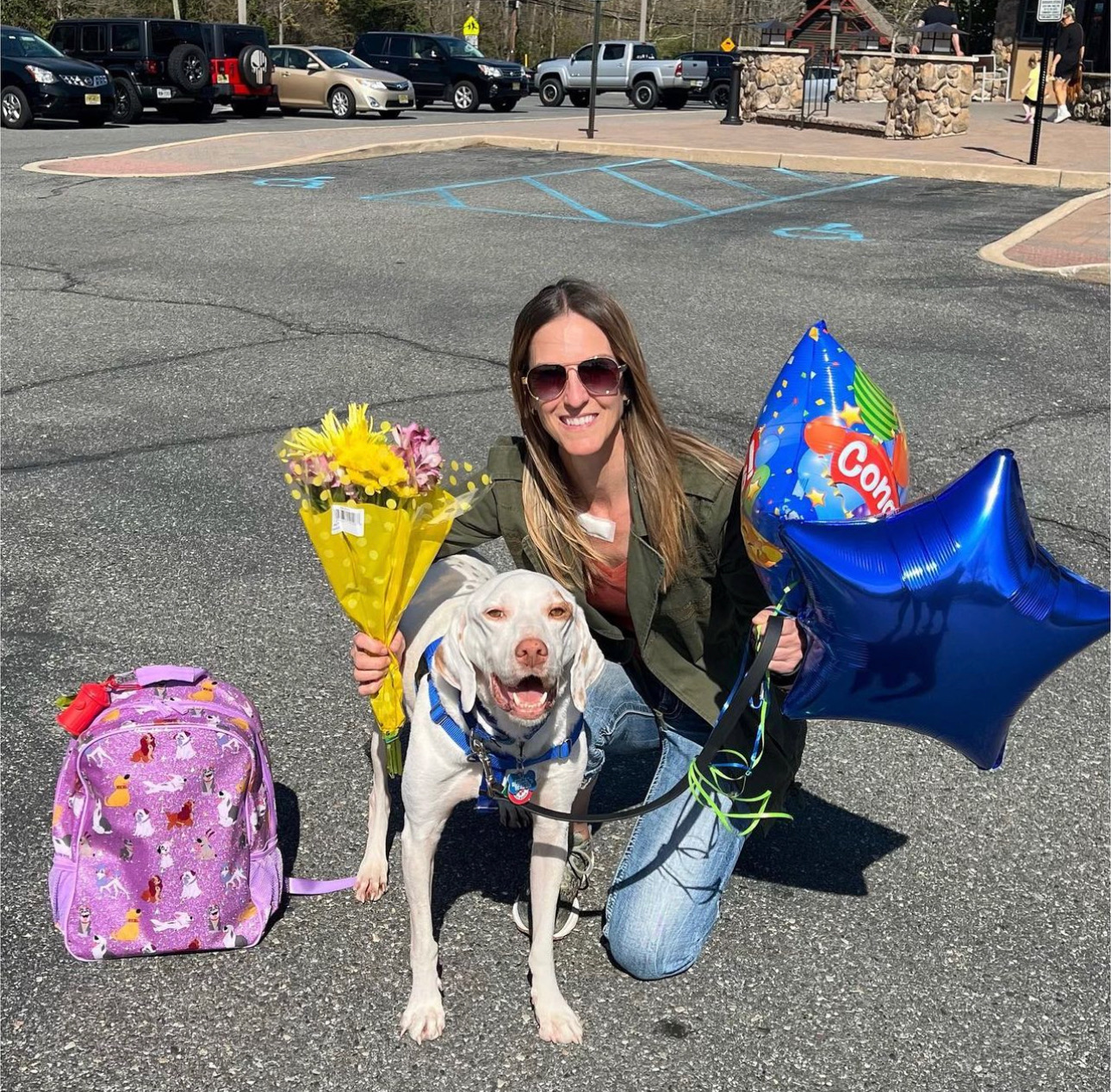
Porter completed this 0.66 mile hike with our friend Heather and her pup, Kayla.
One week ago today, (2/1/23) Whiskey had her first TPLO surgery on her right knee. I am happy to report that she is still doing very well! Her incision and surgery sites both had normal progression and she is tolerating wearing her cone as well as her confinement.
In this post I included a photo of the incision as well as a rear-view photo from each day over the last week, as well as some videos of Whiskey progressing with using a few stairs and walking (with a lift sling in place in case she stumbles). A lift sling is especially important for Whiskey since she has a tear in her left knee as well.
Day 1: Thursday 2/2/23
She slept well her first night and only woke up once at about 4am to go out to potty. Swelling and bruising had started around the incision.
Day 2: Friday 2/3/23
Morning:
Evening: Bruising was at its worst tonight.
Day 3: Saturday 2/4/23
Today the Nocita was due to wear off. Nocita is given for postoperative pain relief. It is a long-acting local anesthetic that provides up to 72 hours pain relief and helps prevent increasing pain during thetransition period from the epidural given before surgery to the oral pain relievers we administer at home. We saw absolutely no change in Whiskey – she was in good spirits and did not display any signs of pain. The bruising looks much better already this morning.
Day 4: Sunday 2/5/23
One of her mini walks around the yard today:
Today I took the bed frame and headboard away so that the mattress was on the floor. The mattress is 14 inches high so I put a child safety guardrail on the far side of the bed as well as the foot of the bed so that Whiskey can’t fall off. Runners were placed at the exit side to help with traction when Whiskey is able to get on/off the bed independently.
Whiskey is learning to navigate the stairs. She is allowed to try up to 5 stairs as long as she has her lift sling to assist her.
This was a 1.2 mile hike located in Haddonfield, Camden County, New Jersey. Lillet Blanc and I completed this trail with my friend Heather and her dogs Kayla and Ellie.
February 2, 2023 …The First 24 Hours: We Made It! (Phew!)
I have to admit, even with having a great friend on the surgery team to prepare me and guide me through the surgery procedure, I was still SO nervous about… well… EVERYTHING! However, the first 24 hours have gone much better than I expected! Whiskey slept well the first night until about 4am this morning when she needed to go out to potty. She has been calm, tolerating confinement, eating well, willingly taking her medications, having normal bowl movements and urinating regularly.
Pimp My Crib Fish Fortress
Once Whiskey was in her recovery pen, I noticed that she was having trouble repositioning herself on the bed I had placed inside the area. It seemed that the bed was a bit too small for her to safely maneuver herself. I also observed her shivering. After I had taken her out to potty again at 7:30am and gave her breakfast, I knew changes had to be made.
Whiskey enjoyed “breakfast in bed” before the “renovations” began.
Immediately following breakfast, The Pimp My Crib Fortress Crew did an on-the-spot makeover (it’s me… Hi.. I’m the crew, it’s me…) I changed out the dog bed for a bigger one, and added a heavy blanket “wall” to block cold drafts from our ancient cabin’s exterior wall. I also added a “bed comforter” … a Pointer themed blanket that is on the human bed Whiskey normally sleeps on and also included one of the bed pillows because she loves to sleep with her head on the pillow. I felt these items would have a familiar smell and comfort her.
Lastly, I performed some surgeries of my own and “de-squeaked” a few larger stuffy survivors from Christmas to help block out cold drafts as well as to provide padding against the wire walls of the pen. (Squeakers removed so that the stuffies didn’t squeak while Whiskey leaned on them or played with them … in an attempt to avoid a whole-house riot when the others hear the squeak and realize THEY don’t have a toy!
Whiskey in Good Spirits
Whiskey has been alert, wagging her tail and even felt well enough to nom on some of the stuffies!
Whiskey seemed to approve of her upgrades and was much more settled after the “renovations.”
Invest in Rest
Lights out! Sleep gives the body time to repair itself so we kept Whiskey’s area as quiet as we could.
Visiting Hours
Some of the pack visited Whiskey throughout the day. All of the dogs except for Jägermeister have been respectful of visiting hours. Jagermeister has decided he’s just going to bark at Whiskey so he has been banned from visiting for the time being … I think he is a bit put-off that he doesn’t have nice digs like Whiskey! Haha!
Incision Check
A quick check-in with our friend Amanda…We sent her a photo of Whiskey’s incision and she told us that it looks normal for 24 hours post surgery.
🎶All The Pretty Girls Walk like This, This, This, This, This🎶
Whiskey is supposed to take a 5 minute or less leash walk around the yard a few times a day to keep her right leg moving. A lift-sling is used just as a precaution for support – but only if needed so that Whiskey can naturally rehab her leg and learn to walk on it. The video below is Whiskey on her most recent walk before I wrote this post. There is no support being given to her -and she is doing wonderfully!
Medications…Get it Write
In order to keep track and make sure I don’t miss any medication doses, rehab walks in the yard, or cold pack sessions, I made a very simple chart to keep myself organized. I’m sure it would look much prettier if it were completed on the computer, but I tend to make less mistakes when creating these by hand.
Keep Your Cool (Packs)
The hospital sent us home with a cold pack which I have been using, but our friend, Amanda, gave us this great tip as well. Take a wash cloth or dish towel, run it under water, then ring it out. Place the cloth in a zip lock bag and put it in the refrigerator. The temperature won’t be too cold for the dog, and it remains flexible instead of a hard/stiff frozen pack so that you can wrap it around the leg. Whiskey has been so good and has let me apply the cold pack throughout the day with no issues.
I am so relieved and thrilled with the first 24 hours and I will remain hopeful that Whiskey will continue to have a smooth recovery. Brian and I thank everyone for their continued support, positive thoughts, and prayers!
Today Whiskey had her TPLO Surgery at Mount Laurel Animal Hospital. She was in the best hands with our our good friend, Amanda, who is the Nursing Supervisor for Specialty Surgery.
Pre-Surgery
Porter’s Poo Palace that we use for camping has been sanitized (twice) and brought indoors to be transformed into The Fish Fortress for Wish the Fish’s recovery from TPLO surgery. A secluded, confined area for Whiskey is imperative for her safety and proper recovery from her surgery. This area included a low, flat bed, a feeder, non-skid whelping mat that covered the entire floor, and lighting courtesy of a rechargeable camp light. Luckily we had all of this on-hand!
Checking out her recovery digs:
Lounging with Mom after we administered the pre-surgery medications to help her relax:
Arrival
We arrived a bit early to Mount Laurel Animal Hospital…but Whiskey didn’t mind because she was watching all of the farm animals from the car, then took a short potty break before entering the hospital.
Check-In
Amanda checked Whiskey in and fully explained the procedure and what to expect.
Whiskey and Amanda
X-Rays
Radiographs were taken and confirmed that Whiskey has a complete tear in her cranial cruciate ligament. Effusion is present in the left knee where the suspected partial tear is located.
Getting ready for X-rays
Dr. Morris called me once the radiographs were taken to let me know Whiskey is doing well and was about to get her epidural in preparation for surgery.
Surgery
Whiskey was sedated and anesthesia was administered.
Once the incision was made, Dr. Morris could see that luckily Whiskey’s joint is normal and her meniscus is intact. Whiskey’s X-rays are displayed on the screen so that there are live views of her measurements as Dr. Morris reconfigures the angle and makes a curved cut in the top of Whiskey’s tibia bone
Whiskey’s heart rate, oxygen level, blood pressure, CO2 levels, breathing rate and body temperature were all monitored throughout the surgery.
The TPLO was performed without complication. Whiskey received an injection of a long-lasting numbing medication along her incision during closure to aid in post-operative comfort.
Post-Surgery X-Rays
Whiskey’s incision was closed and post surgery X-rays were taken before moving her to the recovery room.
Possible Complications
Although we are optimistic that Whiskey will not have any complications, we need to be aware that it is a possibility. The risk of these potential (and hopefully unlikely) complications far outweighs the benefits of repairing Whiskey’s knees so that she can return to her normal Pointer shenanigans and be provided with the opportunity for the best achievable quality of life. Potential complications associated with this procedure include infection, dehiscence, need for implant removal, implant failure, implant migration, persistent lameness, patellar luxation, progression or arthritis, pivot shift, fracture, future meniscal injury, and need for additional intervention.
Recovery
Whiskey recovered smoothly from anesthesia. The breathing tube was taken out and a warming blanket was placed over Whiskey while she recovers with her IV fluids. Dr. Morris called to review the surgery. After a few hours of recovery, Dr. Morris called us again and let us know that she was comfortable at this point to release Whiskey to come home since she was doing so well.
Whiskey hung out with the best nurse any patient could ever ask for…our friend, Amanda! Whiskey took a trip to the kitchen and ate a snack, which she was able to keep down!
Whiskey on her way to the kitchen for a snack after her TPLO surgery.
Pick-Up
Amanda met with me and reviewed all of the post-surgery instructions. Success of the surgery depends heavily upon the adherence to the post-operative instructions for the next 8-12 weeks. Too much activity too soon, or failure to closely follow the given instructions could disrupt and potentially fail the repair, which would require a re-operation. Whiskey is expected to increasingly put weight on the operated leg over the next 2 weeks so that she is at least touching the toe to the ground by the time of suture removal. By 6 weeks post-op, Whiskey is expected to be comfortably weight bearing on the leg. Full recovery can take up to three months.
Incision Care:
Monitor the incision daily for excess draining, redness, swelling or discharge: Bruising can be expected at the incision site and it should progress thru the healing phase as if changes colors. Any bruising that spreads in surface area should be documented with photographs if able and the hospital should be contacted.
Cold pack the incision area 2-3 times daily for 5 minutes for the first 3 days following surgery.
Incision does not need to be covered. It should simply be kept clean and dry.
No swimming or be bath for the first 2 weeks following surgery to allow the incision to heal.
Seroma formation is common with knee surgery. A seroma can present as swelling around the ankle, the joint below the incision. This is where edema from the surgical site will settle over the first 10 days post-op. It will feel like a fluidy sac. A warm compress can be applied to the area for 5 minutes 2 to 3 times a day and gently massage the area. If the site is painful or red, the hospital should be contacted.
E-Collar:
An E-Collar is imperative at all times when not directly supervised. If the incision is accessed, there will be increased risk of complications such as infection or dehiscence.
Many patients are able to reach around inflatable donut collars or soft cones. As a result, use of a hard plastic cone is recommended
Exercise Restrictions:
Restrict activity to short (< 5 minutes) leash walks only to go out to the bathroom for the next 14 days. Whiskey must always be on a leash when outside.
No running, jumping, stair climbing or playing with other dogs. If you need to use stairs and your pet is too large to carry up and down – make sure Whiskey is on a leash and walk up and down the stairs very slowly.
Whiskey should be crated or kenneled in a small room without furniture when not directly supervised. Using a crate is a security for Whiskey to heal appropriately. If Whiskey is hyperexcitable when you are home, use the crate to create safe periods of rest.
Use yoga mats, bath rugs or carpet runners to cover slick floors in the kitchen or hallways to prevent slipping. Major areas of concern are around doors where Whiskey will be coming in and out as well as around food and water dishes. If needed, use a towel or sling to support your dog during walking around these areas of your home.
Medications:
Carprofen (Rimadyl)
This medication is a non-steroidal anti-inflammatory medication used for pain control. Adverse effects include anorexia, vomiting, diarrhea, and dark tarry stool. Please stop this medication and call if you note these. Do not administer this medication with other NSAIDs (Aspirin, Meloxicam, Previcox, Deramaxx, etc.) or steroids (Prednisone, Temaril-P. or injectable/topical steroids).
Gabapentin
This medication is used to target neuropathic pain. Adverse effects include sedation, anorexia, constipation and occasional anxiety/tremors/neurologic sions.
Trazodone
This medication is used as needed to keep Whiskey calm. Adverse effects include excessive sedation, anorexia, constipation, and occasional anxiety/tremors/neurologic signs
Codeine
This medication is a opioid derived medication used for pain control. Adverse effects include sedation, anorexia constipation
Bag of Goodies
medications
a pill cutter to help us with the dose amounts
cold pack
food that is easy on the belly in case her stomach is upset
folder with post-surgery instructions
Shortly after the post-surgery discussion, Whiskey walked out of the hospital with Amanda!
Arrival Home
Besides setting up a safe confined recovery pen, we also had these two items to assist us to lift and/or support Whiskey if needed:
Once we were home, Whiskey quickly settled in to her Fish Fortress.
Whiskey’s same-day release was possible because of the outstanding skill and medical expertise of the Mount Laurel Surgical Team. We are so grateful for the compassionate attention and professional care displayed from each and every person involved in Whiskey’s surgery.
Follow-Up Care
A recheck examination will be scheduled at the 2-3 week post-surgery mark. At this visit, Whiskey’s incisional healing will be assessed.
Originally Whiskey was supposed to have her consult and surgery on Monday, January 30th. However, we decided to use a different hospital for Whiskey’s surgery. On January 31st Whiskey had a consult with Dr. Kate Morris, the Surgery Department Head at Mount Laurel Animal Hospital. A great friend of ours, Amanda, is the Nursing Supervisor for Specialty Surgery at Mount Laurel Animal Hospital, so we know Whiskey will be in good hands, and the clinic is much closer to home.
Mount Laurel Animal Hospital is located on a 16-acre fully-functioning farm that is home to longhorn cattle, goats, emu, alpaca, sheep and more.
Whiskey waiting for Dr. Morris
“Hey, why is all my personal info broadcasted on that screen?” ~Whiskey
Exam
Dr. Morris examined Whiskey and confirmed that there is a suspected cranial cruciate ligament injury (bilateral, right worse than left). It was decided that Tibial Plateau Leveling Osteotomy (TPLO) surgery will be performed on Whiskey’s right knee first. Four to eight weeks later, Whiskey will need a second surgery on her left knee in addition medical management.
Tibial Plateau Leveling Osteotomy (TPLO) Surgery
In surgery, the first step will be to look in the knee joint in order to confirm that the cruciate ligament is torn, and to assess the meniscus. If the meniscus is damaged, the damaged portion will be removed in order to provide pain relief.
Dr. Morris explained that during the TPLO procedure, a cut is made in the top of tibia, allowing her to rotate the top of the tibia to remove the slope. By altering the biomechanics of the joint, Dr. Morris will be able to negate the need for the cruciate ligament and provide a stable surface for the femur to rest on. The two parts of the tibia will be held in the new position with a plate and screws. Though the plate and screws are no longer needed once the bone has healed, most patients keep their implants for the rest of their lives unless infection or irritation occur.
Following surgery, most patients begin toe-touching within the first few days. By the two week recheck, most patients are consistently placing their leg though lameness will still be noted. This should steadily improve over the following weeks. Strict rest is required until the bone has healed, at approximately 8-12 weeks following surgery.
Potential complications associated with this procedure include infection, need for implant removal, future meniscal injury, patellar luxation, incisional complications, pivot shift, persistent lameness, and fracture.
Pending Whiskey’s progress with her right knee, surgery will be performed on her left knee as soon as 4 weeks after surgery on her right knee.
Medical Management
Weight management
Keeping Whiskey lean will decrease the load going through her injured knee, and will also decrease systemic inflammation.
Activity modification
Limiting Whiskey to controlled exercise such as walks and swimming as opposed to high impact activities like jumping and running may help maintain her comfort.
Physical rehabilitation
Whiskey may benefit from enrolling in a formal rehabilitation program where her muscle mass and range of motion can be maintained while she is also mentally stimulated.
Joint supplements
Glucosamine and chondroitin supplements are thought to support cartilage health. A recommended veterinary brand is Dasuquin.
Omega 3
These fatty acids work as anti-inflammatory medications and can be particularly effective in treating joint pain. Recommended veterinary brands include Welactin, Nordic Naturals and Canine Omega Benefits.
Non-steroidal anti-inflammatory medications
These medications are used to decrease inflammation and keep Whiskey comfortable. Examples of NSAIDs include Rimadyl/Carprofen and Metacam/Meloxicam.
Pain control
As Whiskey’s arthritis progresses, other medications such asGabapentin, Amantadine or an opioid may become necessary to keep her comfortable, especially after periods of activity.
Procedure
Whiskey is scheduled for tomorrow morning, February 1st, for the first of her two surgeries. Dr. Morris said that the decision to have Whiskey spend the night at the hospital following surgery will be determined once Whiskey is awake and assessed.
Below is a journaled account of how we discovered Whiskey’s bilateral CCL tear. As with just about everything else our pack members acquire, it is never presented in textbook fashion, and always a puzzle to figure out!
January 8th
Whiskey took a walk with Jägermeister. Nothing out of the ordinary was noted during the walk, and she was completely fine afterwards. About an hour later her hind end collapsed and she could not stand back up. This lasted only a few seconds and then she was walking normally…well…normally for Whiskey… Those of you who have been following along for a while now or who have met her in person know that she has a “wonky” gait due to a broken shoulder and broken growth plate – both acquired before she was rescued by Pointer Rescue Organization as our foster dog, “Wish.” We thought maybe she just tripped or lost her balance but to be sure, we put her on crate rest into the next day. She seemed fine and resumed normal activity…playing, walking, running, jumping up/down on the couch, etc. She continued to show absolutely no symptoms for the next week.
January 16
Whiskey and I took a walk with a friend and her dog. Whiskey was absolutely fine throughout the entire walk. It was a nice day so after the walk was over, I sat down to eat lunch with my friend and Whiskey remained her usual busy self for approximately 40 minutes, walking around and keeping an eye on the geese in the nearby lake – and then all of the sudden once again – her hind end collapsed. She got right back up and seemed fine – absolutely no limping. We had a 25 minute ride home. When we arrived to our house, Whiskey could not support her hind end at all, and was not recovering. Luckily, our primary vet, Dr. Campbell, got us right in for an appointment. When we arrived, Whiskey still could not support her hind end. An exam was performed and an X-ray of her spine was taken. No significant findings were observed. Dr. Campbell gave Whiskey a steroid shot and sent her home with Prednisone. Dr. Campbell suggested that we see a neurologist.
Radiographs:
Lateral TL spine (T4-Sacrum): Spondylosis at LS. No other significant findings.
Note “weird” right leg movement at about the 16 second mark.
January 17
Whiskey was able to walk and was not limping.
Jan 19: Neurological Exam
Whiskey was still displaying no symptoms at this time. Porter and Whiskey’s neurologist, Dr. Eagleson at BluePearl Pet Hospital, performed a neurological exam on Whiskey.
Physical Exam:
General – BAR, appropriate, ambulatory
ENT – No significant findings
H/L – No murmur ausculted, lungs clear, strong synchronous pulses
ABD – Soft non-painful, no masses palpated
lUG – WNL
PLN – WNL
INTEG – Clean hair coat
MS – BCS ~ 6/9, thickened right shoulder joint
Neurologic Exam:
Mentation – Alert and appropriate
Gait – Normal
Reflexes – Normal withdrawal in all limbs; normal patella bilaterally; normal perineal reflex
Postural Reactions – Normal
Cutaneous trunci – Normal
Cranial nerves – Normal
Sensory – No pain on CTL palpation or neck ROM
(NEUROANATOMIC LOCALIZATION – Normal exam
Diagnostics:
Bloodwork
CBC: NSF
Vetscreen: NSF
Release Notes from Dr. Eagleson:
Whiskey’s neurologic exam was normal. In the video, it appears that she is having trouble/difficulty supporting weight in her back legs. This is causing her to shift her weight forward onto her thoracic limbs and she walks with her back arched. She would be taking on this posture either due to weakness or discomfort when bearing weight. I did not find any source of pain on her exam and her stifles and hips palpated normally. We performed bloodwork which was normal (including her muscle enzymes). A lack of blood flow to the back legs could cause weakness; however, she has no evidence of this (she has great femoral pulses). To further rule out a spinal cord problem an MRI is recommended. This is scheduled for next Tuesday (1/24/23). In the meantime, we are going to wean her off of the prednisone. If she has another episode, I would like you to try to evaluate her reflexes if possible.
January 20
Whiskey began limping again, but this time only what appeared to be on her right side.
Holding her right leg up while drinking
Rear-view of Whiskey trotting away – note right leg not moving properly
Slo-mo of previous video – Rear-view of Whiskey trotting away – note right leg not moving properly
January 24: MRI appointment
Whiskey was still limping predominately on her right side. Prior to our appointment, I had sent all videos I had taken to Dr. Eagleson. I took Whiskey to her MRI appointment and when Dr. Eagleson examined her upon her arrival, he suggested that we hold off on the MRI when he saw that she was now presenting in a different fashion. He suspected that Whiskey torn her right CCL. Dr. Eagleson had the Surgical Team look at Whiskey and noted that if Whiskey were to continue to have episodes of hindlimb weakness after correcting her knee(s), we will pursue the originally planned MRI.
Dr. Deahl, a surgeon at Blue Pearl viewed all the videos and examined Whiskey. Dr. Deahl determined that Whiskey has a bilateral CCL tear after palpating her knees….a complete tear on the right, and a partial on the left. It was suggested to surgically repair the right side and then reevaluate the left side once the right is healed. It is suspected that the left will have to be repaired as well. An appointment to sit down and speak with Dr. Deahl has been set for January 30th. It is also quite possible that Dr. Deahl will perform surgery on Whiskey’s right CCL that same day.
Release Notes from Dr. Eagleson:
On exam today Whiskey had a consistent right pelvic limb lameness. On physical exam it was found that he had a torn right cruciate ligament. An orthopedic consult was performed which confirmed the right cruciate ligament tear as well as evidence of a partial tear/chronic remodeling in the left knee. I showed the videos to the surgery service who agreed that the way Whiskey was holding the right leg up is peculiar for a CCL tear. It’s also a bit strange that she wouldn’t bear weight in both limbs as episodes and then recovered. However, since there is evidence of the left knee not being completely normal, then it’s possible that she was just sore in both knees on those days (since it happened after longer walks). Although it’s possible two issues could be going on, I feel it’s more likely the cruciate tears presenting in a slightly atypical fashion. We discussed either performing MRI first to rule out a possible neurologic issue versus correcting the knee first. I feel that a 5 year old Pointer will need to have the knee fixed in order to remain highly active. The only reason not to correct the knee would be if there was something seriously bad going on in the nervous system (e.g. tumor), which I do not feel there is a high likelihood of. If Whiskey were to continue have episodes of hindlimb weakness after correcting the knee, we would always pursue MRI at a later date. At this time you have decided to follow up with the surgery service.
CCL Tears and How a TPLO Surgery Works:
More Great Resources That Were Shared With Me to Help Explain CCL Injuries and TPLO Surgery:
Today Lager had his abdominal ultrasound re-check that was suggested at his oncology visit.
We are pleased to share that no significant abnormalities or changes were noted in the recheck interim! The small nodule on the left adrenal gland was deemed to be consistent with an incidental adenoma (these growths usually don’t pose a health threat or require treatment). There is a faint nodule on the liver, however this was considered to be consistent with a benign hyperplastic nodule (also benign).
The only way to guarantee failure is by quitting. NEVER…GIVE…UP!
Lager lets NOTHING get him down! He is 80 days out from surgery and playing ball like a boss! He can grip the ball, run with the ball, and even shake his head around… all without dropping the ball! Lager has not skipped a beat! He can hold his tongue inside his mouth but it does hang out only when he’s tired or excited. Such an amazingly resilient boy!
Another couple of miles in the books with Team Salty Paws ! Yesterday afternoon Whiskey and I met Heather and Ellie at Croft Farm for a hike followed by a picnic lunch.
Croft Farm is on both the NJ and National registers of historical places and the farm house that is still standing dates back to the 1700’s.…Another beautiful trail system nearby that I never knew existed!
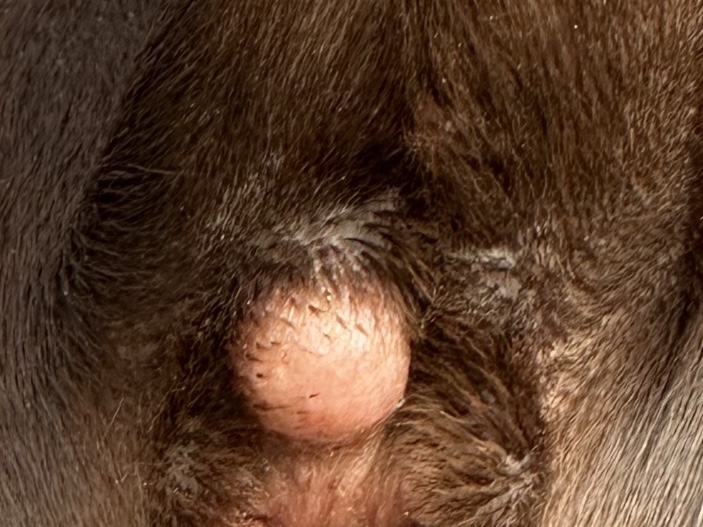
Discovered a mass at the base of Hooch’s tail, on the underside – at the outer part of his anus.
December 22, 2022
An exam and fine needle aspirate performed by our primary veterinarian determined that the growth needed to be removed and biopsied to determine clean margins and tumor type.
The mass is suspected to be a perianal adenoma, a benign type of hepatoid gland tumor. These types of tumors can also be malignant (adenocarcinomas) and borderline malignant (epitheliomas). We are extremely hopeful due to the following statistics:
(1) 80% of hepatoid gland tumors are found to be perianal adenomas (benign)
(2) adenocarcinomas (malignant) are uncommon
(3) epitheliomas (borderline malignant) are rare
January 10, 2023: Mass Removal
Surgery was performed at our primary veterinarian’s office and a the mass was send to pathology.
January 17, 2023: Pathology Report
Pathology report showed that the mass was a hepatoid gland tumor. There are Luckily Hooch’s was a perianal adenoma which is benign! These tumors occur most commonly in intact (unneutered) dogs or male dogs who have been left intact until a later age.
Cancer Checks Should Be Done At Least Once A Month
I know there are certain areas of a dog that are difficult or unpleasant to examine (like the anus), but please remember that checking your dog thoroughly at least once a month can truly be a life-saver.
A spontaneous last minute decision to today with Team Salty Paws resulted in such a great day!
We chose Crows Woods Nature Preserve which is approximately fifty acres of fairly undeveloped forest with some ball fields and mowed lawn areas bordering the preserve.
We had such a nice time with our friend and team handler Heather and her pups Kayla and Ellie! Lillet Blanc came along for this hike. She’s doing so well on her pain medication and supplements for hips and is able to take longer walks now!
She also did a great job walking on lead at a safe distance (and closely monitored) alongside Kayla and Ellie of Team Salty Paws. (Lilly can be extremely selective).
The park has a pavilion where we stopped after the hike to enjoy lunch.
2023 began with a sunny 60°F day… so we decided to do a New Years Day hike in the Brendan T. Byrne State Forest which is made up of 38,000 acres, and is located in the Pine Barrens of New Jersey.
Happy 5th Birthday to our little Tennessee Whiskey (aka Wish and Wish the Fish ) You have matured such a great deal in the last year, but your BIG personality is still one of the most stubborn and vibrant I’ve ever seen. Your quirks and shenanigans bring a smile to others and your ability to entertain a crowd at a dock diving event without ever jumping in the water is an extraordinary skill! Thank you for challenging us on a daily basis to improve ourselves and for always making us laugh!
This is 5!Breakfast: Pancake puffs (made with a cast iron Aebleskiver Pan) & sausage with a side of mixed berriesDinner: Beef & veggie casserole (lean ground beef, peas, carrots, green beans, brown rice, shredded cheddar) and a side of applesauceDessert: PB & Apple crunch pup cakes
This boy… once again bringing me to tears… 47 days post rostral mandibulectomy surgery and Lager grabbed every size and shape bumper and Wubba we tried in the water with no assistance needed…He’s amazing! I can’t wait to see him competing in his first post-surgery event! Take THAT cancer! Thank you Chrissy and 4 Paws Adrift !
Happy 6th (ish) birthday to this sweet, brave warrior! Your kind and gentle soul is filling the hearts of so many with love and happiness. It is a miracle that you are still here with us after all you have been through. We are so grateful for our time with you. Keep shining bright buddy… We love you Po Po POtato!
This is 6!
Breakfast: blueberry pancakes and breakfast sausage
Dinner: chickpea pasta with peas and carrots with a side of cantaloupe and kiwi
In a medium bowl mix whole wheat flour and baking soda and set aside.
In a large bowl mash bananas with a potato masher. Then mix in the egg, milk, peanut butter, honey and butter.
Once well combined, begin to add the flour mixture to the peanut butter mixture and stir until mixed.
Spoon batter into the cake pop pan.
Bake for 20 to 30 minutes, or until a toothpick inserted in the middle comes out clean.
Remove cake pops from pan and place on a wire rack to cool completely
“Chocolate” Icing
Using a small pan over very low heat, begin to melt carob chips, adding the milk until you have a creamy “melted chocolate” consistency
Dip cake pops in the melted carob, then roll in crushed peanuts, and lay the coated cake pops on wax paper. Let sit until firm. You can place them in the refrigerator to speed up this process.
Feed sparingly. When serving to my pups, I split a cake pop in half and give a half to each dog as an occasional treat.
Is someone chopping onions or are my eyes just sweating? This boy right here is my hero! Lager… 35 days post-surgery (rostral mandibulectomy) … and he’s able to knock the bumper down, pick it up off the ground, and grasp it in his mouth while running!!
🇺🇸Truly 𝙐𝙉𝙎𝙏𝙊𝙋𝙋𝘼𝘽𝙇𝙀! Look who learned to eat on his own after he healed from his rostral mandibulectomy! This did not however come without much practice and some failed attempts and experimenting. Thanks to the support of Lager’s oral surgeon, Dr. Jennings, we were able to assist Lager in overcoming his obstacles in re-learning how to eat independently!
Lager eats independently for the first time since surgery!
… Next step: Over the upcoming weeks I will begin land drills with a dock diving bumper to see how Lager does with grabbing the it from the air and out of a baby pool filled with water…stay tuned!
For those of you who are crazy lucky enough to share your life with a German Shorthaired Pointer, I’m sure you are quite familiar with the “oh sh*t” feeling when a veterinarian tells you that you have to somehow do the impossible….restrict your GSP’s activity. Even at 10 years old Lager does NOT act his age. He’s still got that insane-in-the-membrane-never-ending-crazy-high GSP energy. Along with praying that somehow we are miraculously teleported to the “all clear from restrictions” date our veterinarian gives us, my usual go-to for a restricted activity period is stuffed West Paw brand Topl or Qwizl, lickimats, puzzle toys, and snuffle mats. In Lager’s case, however, we could not do any of that due to his simultaneous recovery from his rostral mandibulectomy. Lager’s jaw and chest surgery were on October 31st. He was due to get his chest sutures out on November 11th. However, when his body bandage was removed, there were signs of an infection. Restricted activity and suture removal date was then extended to November 17th while Lager completed a round of antibiotics. Once the bandage was off, Lager began to try and lick the area, so he continued to wear a Suitical Recovery Suit until his chest could be reevaluated. At his appointment on November 17th, the surgical team at Blue Pearl decided that the chest sutures could be removed, Lager’s jaw was healed enough that we could remove the E-collar, AND Lager could have all restrictions lifted …giving some MAJOR thanks for this!
Sutures are out, but incisions still need time to heal
Lager runs free for the first time since having his surgeries on 10/31/22
Enjoying being “naked” …no sutures, no Suitical, no cone and no E-collar!
Once home, even with the sutures having been removed, Lager began to lick the area, making the healing incisions redden. We still have him wearing the Suitical Recovery Suit until this area is fully healed in order to try to avoid an infection, giving him a break from wearing it only when we can watch him closely.
Lager does not need to have a follow-up appointment with Dr. Jennings (Dentistry Team) or the Surgical Team in the future unless a problem arises. However, there was a nodule observed on his adrenal gland during his abdominal ultrasound. It was suggested that we may consider reevaluating the suspected growth in 3-4 months, so I will be discussing this with Lager’s medical team to determine if they believe that repeating the ultrasound would be appropriate for him.
“We often take for granted the very things that most deserve our gratitude.”
~ Cynthia Ozick
Eight dogs, sixteen feedings per day, and each meal was prepared and presented to our dogs without realizing I should be grateful for the whole process….not only for being blessed with the food itself, but for the fact that all of our dogs could eat on their own. I never thought about how I should be grateful for that…it’s just something dogs do, right?! I took for granted that I put food in front of our dogs, and voilà…They ate it…UNTIL…Brian and I were hand-feeding Lager after his surgery. It was then that I realized I needed to take a step back and direct more focus on being grateful for the daily routines that are in fact blessings as well.
Lager had been doing wonderfully with being hand-fed “meatballs,” (made from a mixture of his regular kibble ground to a fine powder using a food processor wet food, pure pumpkin purée, and grizzly salmon oil) however, he was having a difficult time learning how to pick up food without us having to place it in his mouth. We tried meatballs in a bowl, meatballs on a flat dish, dry kibble that had been put through the food processor, soaked kibble, regular kibble…you name it, Lager had not been able to pick up any of the food. However, Lager’s never give up attitude paid off…It is with an extremely grateful heart that I share the progress Lager had during breakfast on November 20th: Lager was able to pick up meatballs and eat it all by himself! The meatball still needs to placed on a flat dish at an elevated angle, but picking up the meatball on his own is a huge accomplishment! We are so proud of Lager and his motivation to improvise, adapt, and overcome!
Lager picks up a “meatball” on his own for the first time since his rostral mandibulectomy!
Lager has also been doing a phenomenal job picking up soft stuffed toys! He has been enjoying all the toys that he received as gifts!
Lager picks up a stuffed toy (CVS FURmacy receipt toy given to him by our neighbor)
No One Fights Alone
I added some oral cancer awareness bling to Lager’s collar this week! Canine Acanthomatous Ameloblastoma (CAA) luckily is not known to metastasize if clean margins are achieved during surgery (which was the case for Lager). Even though we are celebrating what we hope and pray is the end of Lager’s CAA Journey, he will still have some challenges to face as he continues to adapt to doing daily activities differently with his mouth. We want to be sure to continue to bring awareness to this type of canine cancer, and do our best to support other families that one day may find themselves on this same journey with their pup.
Oral cancer awareness ribbon charm for Lager’s collar bling
No one fights alone charms… Half for me to wear as a necklace and the other half will be added to Lager’s collar bling
We have many reasons this year to give thanks with a grateful heart. This week, in addition to the more obvious “bigger things,” I will be focussed on recognizing and mindfully appreciating the smaller blessings in our daily life as well.
May this Thanksgiving be filled with peace, love and happiness for you and your family.
It was has been three weeks since Porter began taking the Thyro-Tabs for his hypothyroidism. Porter saw his primary veterinarian, Dr. Campbell, for a physical exam and blood work to re-test his Total T4. Total T4 (Thyroxine) measurement is a screening test for diagnosing hypothyroidism in dogs.
The lab results brought us good news! On October 25th, Porter’s Total T4 was 0.8 . His blood test on November 27th showed that his Total T4 has now risen to 2.1! (Normal therapeutic range is from 1-4).
This result proves that the Thyro-Tabs are in fact doing their job. Porter’s hair has not begun to grow back yet, so that will continue to be monitored. Porter will see Dr. Campbell again in 4 weeks for an exam and another Total T4 test.
Now that the pathology report from both the chest masses as well as the jaw sample has returned, we have a new diagnosis, but still much to be thankful for!
Chest masses
pathology result: follicular cysts
Follicular cysts are large bumps, or nodules, on a dog’s skin that originate in the hair follicle. The hair follicle becomes dilated and fills with a dark brown substance that looks similar to a blackhead. These cysts are prone to becoming infected. Lager’s follicular cysts should not grow back now that they have been removed.
Oral Mass
The mass originally deemed Oral Papillary Squamous Cell Carcinoma was reevaluated as Canine Acanthomatous Ameloblastoma (CAA)
The tumor diagnosis can sometimes change as a better sample is acquired during the removal of the “heart” of the mass. This type of tumor has “layers” and the superficial part of the mass is made up of similar squamous-type cells which often produces an inaccurate diagnosis. During Lager’s first surgery, only the superficial part of the mass could be removed and sampled.
About Canine Acanthomatous Ameloblastoma (CAA)
Acanthomatous Ameloblastoma is a locally aggressive tumor that originates from the epithelial cells of the dog’s jaw. Acanthomatous Ameloblastoma forms a large red mass on the gums. Beneath the visible portion of the mass, there is usually considerable bone destruction. These tumors have not been documented to spread to other areas of the body. As Lager’s tumor was removed with clean margins, it is not expected that there should be any recurrence. Without treatment, this type of tumor will continue to grow and destroy the jaw bone, becoming life-threatening for the dog.
Dr. Jennings said that Lager looks great! Dr. Jennings is pleased with the surgery site and healing process. Any remaining oral sutures will fall out and/or dissolve on their own over the coming few weeks. During today’s appointment Dr. Jennings answered all of my questions in detail. The following was covered in today’s appointment:
We have observed some teeth chattering. Dr. Jennings said this should subside as the mouth continues to heal
Lager may begin return to a normal diet. Over the next week, we will work on transitioning from wet food meatballs to soaked kibble to regular kibble as we monitor Lager’s progress in re-learning how to eat on his own.
We can begin brushing Lager’s teeth immediately. Dr. Jennings also recommended that we continue to use products to help reduce plaque and tartar. We currently use a water additive called Vetradent, which is included in products that have earned the VOHC Accepted Seal , so we will continue to use this.
Lager is cleared to compete in dock diving once we start up again in the Spring, and is cleared to train and condition throughout the fall and winter once his jaw and chest is completely healed!
As long as no issues arise, Lager does not need to have further follow-up visits with Dr. Jennings. Dr. Jennings recommends that we have Dr. Campbell monitor Lager’s oral health at his regular check-ups. If we happen to notice any bad breath or dental buildup/inflammation of the gums, Dr. Jennings instructed me to have Lager evaluated by Dr. Campbell or himself.
Lager can begin to have soft toys within the next week. We experimented today during the appointment with an Extreme Vertical/Speed Retrieve bumper. Upon sight of the bumper, Lager grabbed it up! After dropping the bumper on the floor, in less than 30 seconds Lager had learned to pick it up on his own! He is truly amazing and an inspiration! There was some minimal dilute blood on the bumper which Dr. Jennings said was normal at this point. In about 5-7 days when Lager is closer to being completely healed, we will try giving him some soft stuffie toys.
Lager holding a dock diving bumper
Dr. Michael Jennings and his nurse, Ashley McCullough, provided outstanding care and surgical excellence for Lager. Confidence in a medical team and their abilities was imperative to us. Beyond the medical aspect, Dr. Jennings and Ashley displayed such care and compassion not only for Lager, but also for me as I broke down in tears (at every single appointment)! They not only patiently answered my notebook full (literally) of questions, but also took the time to explain everything in detail. I will never forget the personal touch and willingness they spent making sure I felt comfortable with all of the information being presented to me, and comforting me during a terrifying time to ensure me that Lager was going to pull through this procedure just fine. Dr. Jennings and Ashley’s love and passion for animals is remarkable, and shines bright for all to see. We are blessed to have been lucky enough for Lager to have this the dedicated, thoughtful, and compassionate surgical team.
Chest Suture Removal
November 11, 2022
The Surgical staff at Blue Pearl was also wonderful! Their attention to detail on Lager’s chest surgery and kindness towards me was beyond appreciated. Today Michael Pawenski evaluated Lager’s chest incisions. After removal of Lager’s cross-your-heart bandage, Dr. Pawenski noted that the incision is healing well, but there are two small areas of dehiscence and a small amount of discharge that may be due to an early surgical site infection. As a result, the sutures cannot be removed, and Lager will be required to take antibiotics. This also means that his activity restrictions will still need to be in place. The bandage was not reapplied but Lager will have to wear a tee-shirt or Suitical Recovery Suit to prevent rubbing or scratching of the incision. Lager will return to Blue Pearl on Thursday November 17th for an exam with the Surgical Team, and and hopefully suture removal.
October 21, 2022October 21, 2022November 11, 2022
We Don’t Know Them All, But We Owe Them All
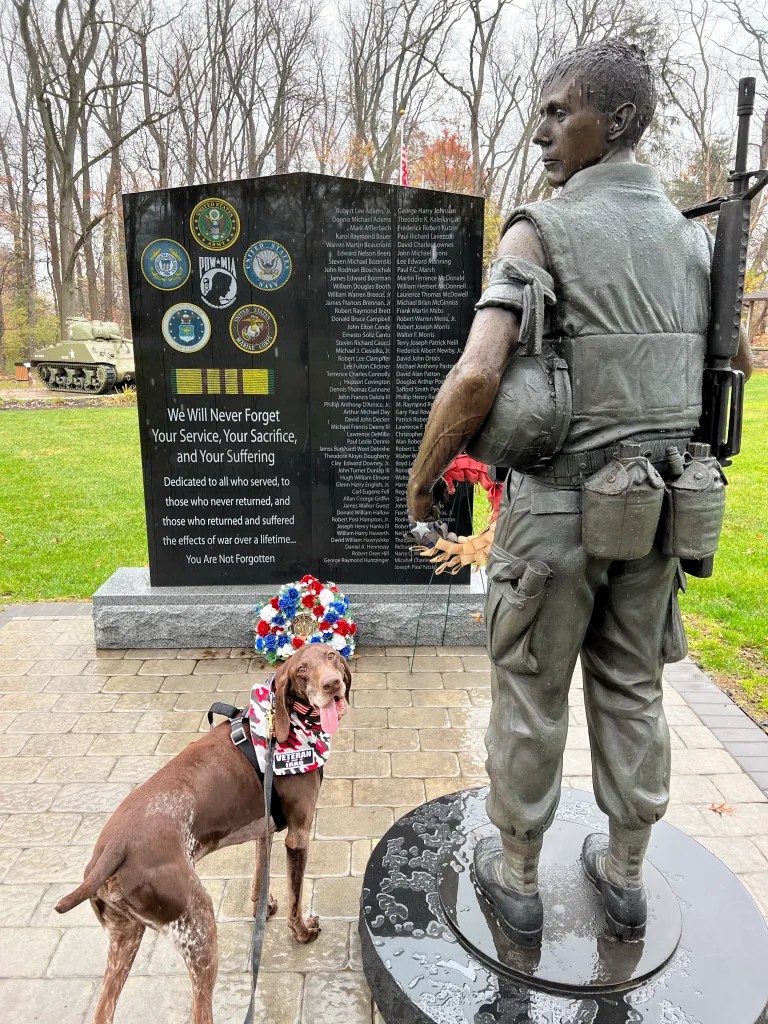
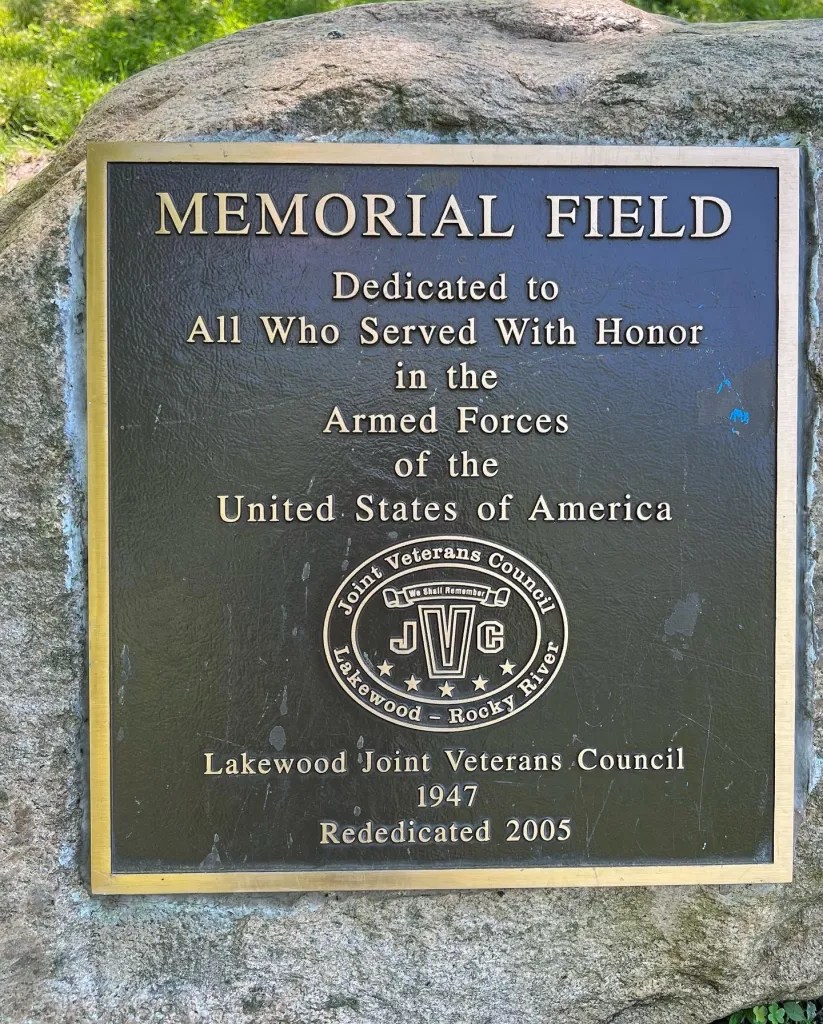
Lager’s check-up fell on Veterans Day 2022. Blue Pearl Hospital is located on Veterans Highway with a Veterans Memorial 0.2 mile down the road from the hospital parking lot exit. with Lager being a Veteran himself, I knew we had to stop at the memorial. It was raining pretty steadily, but we stopped anyway, and I’m so glad we did. Lager got a break from his cone and was able to take a small, slow walk around the beautiful memorial.
With respect, honor, and gratitude, Cello’s Corner would like to thank all who have served and continue to serve our country. Your bravery and the sacrifices you have made to protect our freedom will never be forgotten. Thank you to all veterans – you are our heroes!
Things That Make You Go MMM…
…A vanilla McDonalds milkshake! Lager had a few licks of the milkshake as a treat on his way home.
Ba da ba ba ba …I’m lovin’ it!
Keep on Keepin’ On
Over the next week, we will continue Lager’s restricted routine while working on transitioning his diet back to his regular kibble. I will post another update after Lager’s appointment on November 17th. Thank you ALL for your continued prayers, positive thoughts and good vibes for Lager and for your support for Lager’s PAWrents!
November is National Epilepsy Awareness Month. During this month, the goal is to educate and raise awareness about one of the least understood of all neurological diseases.
Our fellow EpilepsyWarrior and IG friend, Rosie the Labradoodle ‘s Mom, published a great journal for PAWrents of dogs with epilepsy. This journal is an efficient way to document your epilepsy warrior’s information, log seizure activity, track medications, triggers, appointments and medical history. The journal measures 7×10 inches and makes traveling with your epileptic pet easier in the event of an emergency trip to the vet by having all of your pet’s medical history in one convenient place. Over 125 epileptic canine warriors are pictured throughout… including OUR very own warriors, Porter and Jägermeister (can yo spot them on the page below?! This journal can be purchased on Amazon.
Epilepsy? What’s That?
“Epilepsy” is a general term for neurological disorders that are characterized by recurrent seizures. In some cases, the seizures are caused by trauma, a toxin, a brain tumor, an infection, or an issue with your dog’s blood, kidneys, or other organs. At other times, the epilepsy is referred to as “idiopathic,” which simply means that there is no identifiable, underlying cause.
Seizures commonly fall into two categories: generalized (grand mal) or partial (focal). Generalized seizures commonly appear as involuntary jerking or twitching movements of all four limbs with loss of consciousness. Partial seizures may involve one limb, side of the body, or face. Partial seizures may progress to generalized seizures. Seizures may also result in abnormal behavior, vocalization, salivation, chomping/chewing, and involuntary urination and defecation.
Dogs with idiopathic epilepsy typically have their first seizures between the ages of 6 months to 6 years. Though idiopathic epilepsy can occur in any breed, it is considered an inheritable disease in many breeds and in some breeds a genetic basis has been identified. Therefore, dogs diagnosed with idiopathic epilepsy should not be used for breeding. Commonly affected breeds include:
Labrador retrievers
Golden retrievers
Poodles
Keeshonds
Beagles
German shepherds
Dachshunds
Irish setters
Cocker spaniels
Is a seizure painful or dangerous to the dog?
Despite the dramatic and violent appearance of a seizure, seizures are not painful, although the dog may feel confusion and perhaps panic. Contrary to popular belief, dogs do not swallow their tongues during a seizure. If you put your fingers or an object into its mouth, you will not help your pet and you run a high risk of being bitten very badly or of injuring your dog. The important thing is to keep the dog from falling or hurting itself by knocking objects onto itself. As long as it is on the floor or ground, there is little chance of harm occurring.
A single seizure is rarely dangerous to the dog. However, if the dog has multiple seizures within a short period of time (cluster seizures), or if a seizure continues for longer than a few minutes, the body temperature begins to rise. If hyperthermia (elevated body temperature) develops secondary to a seizure, another set of problems need to be addressed.
Symptoms
Prolonged seizures lasting more than 5 minutes or two or more consecutive seizures without full recovery are referred to as status epilepticus. This is a true emergency and you should seek immediate veterinary care for your pet. Two or more seizures in 24 hours are referred to as cluster seizures and are an indication for beginning anti-seizure medication.
In dogs, seizures often occur in three distinct phases:
The first is called the aural phase and the most common signs are behavioral changes. These changes may be subtle and include restlessness, attention seeking or anxious behavior.
The second phase, called the ictal phase, is when the seizure itself takes place. A seizure can last from just a few seconds to several minutes.
The final phase is called the postictal phase, which occurs after the seizure. During this phase, your dog may seem restless, uncoordinated and/or disoriented. Occasionally, temporary blindness, deafness or other neurologic abnormalities may occur.
It may be difficult to watch your pet have a seizure but most are of short duration and cause no permanent harm. Avoid being bitten by keeping your hands away from your pet’s mouth during a seizure. If it can be done safely, provide padding and move your pet away from stairs to prevent injury.
Diagnosis
Your veterinarian will take a complete history and perform a thorough physical and neurological exam to determine if there is an identifiable, underlying cause of your dog’s seizure.
In order to do so, the following tests may be recommended:
Chemistry tests to evaluate kidney, liver, and pancreatic function, as well as sugar levels and electrolytes
A complete blood count to screen for infection, inflammation, anemia, and other blood-related conditions
Urinalysis
PCR testing and/or serology to evaluate for infectious diseases that may cause seizures
Referral to a neurologist for advanced testing including MRI and cerebrospinal fluid analysis
Cultures, PCR testing, and other specialized tests that can identify if specific parasites or diseases could be the cause
Treatment
Epilepsy cannot be cured, but it can usually be controlled with anticonvulsant drugs. If your veterinarian determines that your dog’s epilepsy is idiopathic, one or more of the following medications may be prescribed:
Phenobarbital helps reduce the frequency of your dog’s seizures and is the most prescribed medication for dogs with idiopathic epilepsy. It is generally a well-tolerated drug.
Potassium bromide is another seizure medication that may be added to your dog’s treatment, if she does not respond well to phenobarbital alone.
Levetiracetam (Keppra)
With these medications, as with all drugs, some patients experience side effects. In order to make sure an adequate dose is being given, and to monitor for side effects, it is important that blood levels of each medication as well as complete blood counts and blood chemistry profiles be monitored periodically. Liver function tests may also be indicated. Your veterinarian will advise what monitoring needs to be done and how often. Medication dosages should not be changed without talking to your veterinarian.
Dogs diagnosed with idiopathic epilepsy may require treatment for life, and sometimes more than one drug is needed for adequate seizure control. And while many dogs are well controlled, some are not despite multiple medications. In addition, adequate seizure control does not necessarily guarantee that a dog will be entirely seizure free. The degree of seizure control may need to be balanced against potential side effects of the medications.
Management
Besides medication, there are many ways for you, yourself, to help manage your pet’s epilepsy:
Maintain a seizure log that lists date, time, length and severity of seizures as well as videotape and share this with your veterinarian
Do not change or discontinue medications without consulting your veterinarian
Have blood work and other lab work done when recommended by your veterinarian
Consult your veterinarian whenever you notice a change in your pet’s condition
Put a medical alert tag on your pet’s collar so that if he becomes lost, whoever finds him will be aware of their seizure disorder and need for medication.
Several treatments are available for pets with epilepsy. By working closely with your veterinarian, you can maximize the chances of controlling the disorder and giving your pet a long, happy, and comfortable life.
As a pet owner, seeing your dog have a seizure can be one of the most frightening experiences you’ll have. Seizures are often sudden, seemingly occur without reason and leave you feeling helpless as the owner.
There are a variety of different types of seizures found in dogs. However, one very important type of dog seizure to be aware of is cluster seizures.
What are the types of seizures in dogs?
Unfortunately, there are actually several different types of seizures found in dogs, and they can vary greatly in severity. It’s valuable to be able to differentiate the different types of dog seizures so you can have an idea of what type of treatment and outcome to expect.
Epilepsy in Dogs
Believe it or not, epilepsy itself is actually NOT a type of seizure, rather a condition that often causes repeated bouts of seizures. The term “epilepsy” refers to recurrent seizures that originate in the brain. There are different forms of canine epilepsy as well, but again, these are not types of seizures themselves.
Grand Mal Seizures
In a generalized seizure, the dog will fall, lose consciousness, and extend his limbs out rigidly. The dog may also have sudden apnea, meaning he will briefly stop breathing. This will generally last for around 10 to 30 seconds. Afterwards, the dog will begin paddling his limbs or start chewing. He may also have dilated pupils, salivate, urinate or defecate.
Mild Seizure
A mild seizure begins the same way as a grand mal seizure but will typically not involve the extension of the limbs or paddling. The dog usually will not lose consciousness. Mild and grand mal seizures are most often associated with epilepsy.
Petit Mal Seizure
Also known as an absence seizure, petit mal seizures are very rarely recognized in dogs. These seizures are very brief, lasting just seconds, and can manifest as a brief period of unconsciousness, loss of muscle tone, blank stare, or possibly even an upward rotation of the eyes.
Partial Seizure
During a partial seizure, the associated movements will only be seen in one area of the body. This can be the movement of one limb, a muscle jerking, a turning of the head or bending the trunk to one side or even facial twitches. Partial seizures can progress to generalized seizures and are associated with secondary epilepsy.
Complex Partial Seizures
These seizures are notable for the strange or complex behaviors that they repeatedly cause. In humans, complex partial seizures cause us to distort our thought perception, and certain emotions, like fear.
When they happen to dogs, they might be displayed as lip-smacking, chewing, fly biting, aggression, vocalization, frightened running, covering or hiding. Dogs may also experience vomiting, diarrhea, salivation, blindness, unusual thirst or appetite or biting.
These can last minutes or even hours, and can be followed by or progress to a generalized seizure. Like partial seizures, complex partial seizures are also closely associated with secondary epilepsy.
Status Epilepticus
Colloquially known as simply “status,” this type of dog seizure can occur either as a series of multiple seizures within a short timeframe with no periods of normal consciousness in between, or as one continuous seizure that can last up to 30 minutes.
Although closely related to primary and secondary epilepsy, status can sometimes occur suddenly in dogs that have no history of seizures or brain injury. Status can often be difficult to differentiate from cluster seizures. These seizures are considered life-threatening emergencies.
Cluster Seizures
Cluster seizures in dogs occur when a dog experiences multiple seizures within a short period of time, generally considered within a 24-hour window. Like status epilepticus, cluster seizures should be considered life threatening. These seizures are typically brief and isolated, but can also be more serious. Large breed dogs tend to be the most susceptible to cluster seizures.
When a dog experiences cluster seizures, he will usually have one, seem to recover, and then have another a few hours later. However, the dog never fully recovers from the first seizure before the second strikes. This can continue on and on until the dog is in critical condition. With the aforementioned status epilepticus, these seizures won’t be spread out, but will be one long seizure that doesn’t stop. Both are true emergencies.
Cluster seizures can be managed with medication, but the cause of the seizures must first be established before any medication can be prescribed.
What causes cluster seizures in dogs?
Cluster seizures in dogs are often caused by a problem in the dog’s brain, such as a tumor that interferes with the communication between parts of the brain. They can also stem from a lack of oxygen in the brain, low glucose level in the blood, known as hypoglycemia, or hypothyroidism, which is a deficit of thyroid hormone production.
If the seizures seem to happen for no apparent reason, then idiopathic epilepsy may be the cause. This type of epilepsy is difficult to detect because it leaves no lesions or lasting damage on the brain. Genetics can also be a factor in dogs having seizures, but this is not yet absolutely proven.
What dogs have cluster seizures?
Any dog of any age and breed can experience cluster seizures, but they are most often seen in middle-aged dogs. Breeds like Border Collies, Cocker Spaniels, Dachshunds, German Shepherds, and Boxers are known to be susceptible. Research has actually shown that male dogs are more prone to cluster seizures than females.
What are the symptoms of seizures in dogs?
It’s important to note that most seizures are brief, and that your dog can live a normal life when given the proper dog seizure treatment. However, cluster seizures are much more serious, and can cause serious brain damage, or worse.
A dog experiencing a seizure will most often suddenly collapse, exhibit abnormal movement in its limbs, excessive drooling and uncontrollable jaw movement, as well as incontinence. The dog will usually be unconscious and unresponsive, and have no control over its spasms.
In cluster seizures, the dog will seem to recover between seizures, although he will be very tired and lethargic, potentially even staggering, as seizures are exhausting events.
Though their demeanor will otherwise seem fine, they do not fully recover in between seizures and can get progressively worse. If they don’t regain consciousness at all, or seem to have a prolonged seizure lasting up to 30 minutes, this is not a cluster seizure, but status epilepticus, which is extremely dangerous to your dog and can be life threatening.
How are cluster seizures diagnosed?
Dogs that have encountered cluster seizures should be brought into the veterinarian immediately. Once there, your vet will give your dog a glucose test. Often, your vet will also test to see if your dog has ingested poison.
A lot of the diagnosis will come down to what you are able to report to your vet when you bring your dog in. Pay attention to the symptoms your dog displayed during, before, and after a seizure. If you suspect cluster seizures, tell your veterinarian why and that will help them make a proper diagnosis.
Your vet may also conduct a CT scan or an MRI to see if there are any brain tumors or lesions. Since cluster seizures are so serious, you can expect a full round of testing.
How to Treat Cluster Seizures in Dogs
Medication will be prescribed by your veterinarian in order to treat a dog that is experiencing cluster seizures, but there are also a few things you can do at home to help care for your pet.
If you happen to notice your dog having a seizure, you can spring into action if necessary. Make sure your dog isn’t near anything sharp or close to stairs. Note your dog’s behavior during the seizure and, if possible, try to pinpoint the trigger. Comfort your dog after the seizure and see your vet immediately, especially if another seizure occurs.
If your dog has had cluster seizures, you should also be sure to monitor his other bodily functions. Things you’ll want to monitor include:
Packer, R, “Risk Factors for Cluster Seizures in Canine Idiopathic Epilepsy.” Current Neurology and Neuroscience Reports, Apr. 2016, Accessed 1 April 2017. www.ncbi.nlm.nih.gov/pubmed/27033922.
Porter being a ridiculous attention hog as usual while the Tech takes notes for Dr. Eagleson
Summary of The Last Year
Porter has not had any seizure activity for the past year (440 days to be exact)! However, added to his laundry of health issues, Porter was diagnosed with Atypical Addison’s disease this past year. Most recently, he was also diagnosed with hypothyroidism in October. Once Porter was started on prednisone following his Addison’s disease diagnosis, he became a lot more alert and coordinated and his daily “twitching” (which was thought to be focal seizure activity) also subsided.
Neurological Exam Summary
Porter’s neurologist, Dr. Eagleson, thought Porter looked great and is pleased with his current seizure control. Dr. Eagleson would like us to try reducing the CBD to once a day. In regards to his anti-epileptic drugs, Dr. Eagleson said that since his seizure control has been so good, it may be worth trying to reduce some of his daily drugs. That being said, Porter seems to be tolerating all of the medication well. Dr. Eagleson also said he would be ok if we did not want to tempt fate. Since Porter has just begun the thyroid medication, Dr. Eagleson recommended that we wait about three months before making a decision about reducing any anti-epileptic medication. If it is decided to reduce meds, then we would likely start with tapering his Topiramate.
Next Exam
If Porter continues to do well, he will have his next neurological exam in one year.
Today Lager had an appointment for his re-check for the sutures on his chest and a re-wrap of his body bandage. I was relieved that he had an appointment today, as his body wrap was a hot mess after just four days!
The surgical team said both his chest and his oral surgery site look great! They re-wrapped him in red (YAY!).. and said the stitches on his chest will come out on November 11th when he has his re-check with Dr. Jennings, the oral surgeon.
New red body wrap, who dis?!
Lager is ready for tonight’s World Series game… GO PHILS!
We put a Suitical over Lager’s body wrap in hopes to make it last until his re-check on November 11th. If needed, we will drive Lager back to get a new wrap prior to his appointment.
What a difference five days can make! The huge red bubble of swelling is almost gone !
11/1/22 (Left) showing the swelling (big red bubble) and 11/5/22 (right) showing no visible swelling11/1/22 (Left) showing the swelling (big red bubble) and 11/5/22 (right) showing no visible swelling
I continue to be in awe of Lager’s resilience. He proceeds to act as if nothing happened. He’s getting better at eating his “meatballs” and his tail has not stopped wagging since we brought him home! He has also been THE best patient ever… he has not tried to chew his body wrap, he has not bothered with his cone, he lets us check his oral surgical sight, and when we hold up his E-collar, he pokes his head through the hole of the cone and waits for us to secure it. This boy is truly AMAZING!
Continued Appreciation
Lager is definitely feeling all of the prayers, love, and positive thoughts that are sent to him daily! I read each and every comment that is posted – and the kind words bring me to tears. The private messages and check-ins have warmed my heart and have given me strength. Thank you for everything. This week one of our wonderful neighbors gifted Lager this awesome toy for when his restrictions are lifted … a CVS receipt that unravels into the real-life ridiculous long length of CVS coupons ! Hilarious!
Lager hanging out under the Blue Pearl Dentistry Department’s desk as they caught up on emails and prepared for his surgery
Lager was first anesthetized for an oral exam and dental X-rays. These radiographs confirmed the mass centered on his left lower canine tooth had invaded the underlying bone along the back of canine tooth root. Dr. Jennings called us at that point to inform us of the degree of bone invasion. He recommended removal of the front of Lager’s lower jaw at the level of the left 3rd premolar and right lower 2nd premolar in order to hopefully obtain clean margins of normal tissue along with the oral tumor. Dr. Jennings informed us that this also means Lager’s mandibular symphysis (where jaw meets in “V”) will no longer be connected. We agreed to the new plan in hopes to get clean margins for Lager.
Lager received both systemic pain medication and local nerve blocks to help control any discomfort associated with his procedure. His rostral mandibulectomy was performed, and the sample was submitted for histopathology to confirm the tumor type and clean margins. Dr. Jennings explained that it’s rare, but in some cases he has seen the cancer evolve into a different type/stage, so the biopsy will confirm the tumor type and also will dictate if Lager would need further treatment after he heals from his surgery. Dr. Jennings noted that the biopsy results may take a couple of weeks to come back. Lager’s remaining teeth were also scaled and polished.
Lager also had two dermal sternal masses removed. Those of you who know Lager well and have enjoyed his enthusiasm up close/ in person know that he has had a problem spot on his chest since we adopted him that had to be expressed on a weekly basis. Although it was not easy to manage at times, the problem spot was deemed not to be concerning. However, recently the area had gotten bigger and changed in appearance so it was decided that it would be best to have this removed and biopsied while Lager was undergoing his oral surgery. The two masses on his chest were also removed and submitted for histopathology to confirm the tissue type. The surgery sites were closed with absorbable sutures and he was wrapped in a cross-your-heart chest bandage. The biopsy results for this sample should return in about a week.
Lager’s chest showing the 2 problem areas
Dr. Jennings called after surgery was completed and told us that Lager did well during the surgeries and had recovered smoothly. Lager had to be hospitalized overnight so that pain, anti-inflammatory and antibiotic medications could be monitored and managed. Although we knew it was best for Lager to stay the night, we missed him dearly and called every couple of hours to check on him. The staff assured us that Lager was recovering well and in good spirits.
November 1, 2022
We called to check on Lager first thing in the morning and the staff said that he did well overnight. He ate from someone’s hand and was able to lap-up water. Dr. Jennings called around 12pm and thoroughly reviewed Lager’s recovery plan and confirmed that Lager was doing well enough to come home. The drive to Blue Pearl is about an hour, so my parents drove me to the hospital to pick up Lager so that Brian could monitor Porter and Jägermeister while working from home.
Much anxiety had built up with preparing to see Lager post-surgery. Upon arrival to Blue Pearl, my mother and I were escorted to an exam room to wait for Lager to be brought out. Although I was extremely upset at first sight, Dr. Jennings entered the room with Lager happily prancing by his side. Lager’s eyes were bright and alert, his tail was wagging, and he gave me a heartfelt greeting. My heart and mind were so relieved – but this didn’t stop the tears from flowing – what an absolutely amazingly resilient soldier this warrior is! He was in such great spirits!
Dr. Jennings was amazing… I mean REALLY AMAZING…he was so patient, compassionate, and kind. He took the time to explain everything and also to offer support and reassurance that everything was going to be alright and he could already tell that Lager was going to be back to doing everything he loves to do in no time at all.
Post-Surgery Photos
Believe it or not, it was difficult for me to even get non-blurry pictures on the way home because Lager did not sit down the entire time! He barked the whole way home and actively looked out the window for the duration of the ride. Pictures below to show Lager’s new lower jaw length:
Although alarming in appearance, the large pinkish-red “bubble” you see under Lager’s tongue in the photos below is normal after a surgery like this and should go away on its own in 5-7 days:
Photos below are the best shots I have so far of Lager’s new “chin.”
“Dogs Are a Miracle With Paws” ~ Susan Ariel Rainbow Kennedy
I always say that as humans we have so much to learn from dogs. I am in awe at Lager’s resilience and ability to adapt. As you can see from the photos above, Lager’s tongue was hanging out of his mouth during our car ride home. Dr. Jennings informed us that Lager’s tongue will most likely be hanging out of his mouth for quite some time and that Lager may…or may not… adapt to holding his tongue differently so that it stays inside. Well, by the time our one hour drive home ended, Lager had already learned how to hold his tongue inside of his mouth! When we arrived home, he was able to drink water and was extremely motivated for food.
Lager after arriving home has already learned to hold his tongue differently so that it remains inside his mouth.
Lager has not even skipped a beat. He’s happy, alert, and prancing around the house – handsome as ever! Dogs truly are amazing, aren’t they? They don’t look in the mirror or focus on their appearance, and they don’t care what others think either. Dogs remind us to focus on the important parts of others – HEART and SOUL… not physical characteristics or imperfections. They teach us that you shine from WITHIN and that imperfection can impact the world in a positive way….to use your difference to make a difference. Dogs adapt, overcome, and continue to enjoy their journey despite the obstacles that may develop in their path. They don’t worry about challenges – they conquer them. Lager is living proof of this. In my eyes, Lager is an inspiration. I am grateful for the lessons he has taught me, and for the experience he has shared with me. His journey will equip me with the ability to pay it forward when someone else is faced with seeing their dog through the same operation.
Lager has to be hand fed soft food until he heals completely and adapts to eating / drinking with his shorter lower jaw. On November 1st, his first night home, I used a blender to make his kibble into a powder and mixed in some wet food and water to make it “meatball” consistency. I made little meatballs and although I was proud of how well the prep went, I’m not going to lie … our first attempt at properly delivering the “meatballs” to Lager’s mouth was quite a messy situation! The morning of November 2nd, I did a better job of creating the meatballs, and Brian figured out that it was easier to “deliver” the meatballs to Lager while standing behind him and using gravity to help Lager get the meatball in his mouth.
Blending Lager’s kibble so that he can be kept on his same diet to avoid stomach upsetFirst I added water to the powdered kibble, then to help bind it (and add a treat for Lager!) I used a gravy-type wet food. Lastly, I rolled the food into meatballs.Hand-feeding the meatballs to Lager
Grateful…Thankful…Blessed!
We very much appreciate the continued support, prayers, and positivity sent to our family! The overwhelming outpour of post comments, private messages, and kind gestures have filled our hearts with hope, love and courage during a very emotional time. We appreciate ALL of you beyond what words can express.
Below is a picture of the beautiful Belle…Her wonderful Mama posted this adorable photo in support of our boy:
The pack’s amazing Aunt Jackie sent a care package that arrived on Halloween day… some really cool Halloween dog toys, and an awesome mug displaying Lord Byron’s quote, “The poor dog, in life the firmest friend, the first to welcome, foremost to defend” and featuring her dog, Freya (who we refer to as Whiskey’s sista-from-anotha-mista)! I certainly will need extra caffeine and will get good use of this mug… and once things settle, the dogs will enjoy these toys !
A good friend who I met while her pug, Axl and our girl, Margarita, were battling cancer simultaneously, sent Lager some pre-surgery treats and a Comfy Cone for his recovery!
What’s Next?
Lager will have his chest site and bandage changed on Saturday November 5th as long as the bandage holds up. If we see anything seeping through the bandage, or if the bandage is failing, we will have to bring him in sooner. He will then see Dr. Jennings on November 11th for a re-check of his jaw.
Lager taking a break from the E-collar and resting comfortably during the World Series
Heigh-Ho & Happy Halloween from the OG Princess and the 7 dwarfs!
Heigh-ho, Heigh-ho, it’s off to Halloween we go!
💛The OG Disney Princess… …Limoncello as 𝒮𝓃𝑜𝓌 𝒲𝒽𝒾𝓉𝑒💚Known for his foolishness and goofy behavior… ….Hooch as ʎǝdoᗡ🇺🇸Gets his dwarf name from his joyful personality and a big smile that never goes away… … Lager as Hαρρყ🧡Known for his moody and gruff demeanor, but he has a caring heart… ….Jägermeister as GᖇᑌᗰᑭY💜Often interrupts with a booming sneeze that grabs everyone’s attention… …Whiskey as S҉n҉e҉e҉z҉y҉💙Always ready for a nap… ….Porter as ᔕᒪEEᑭY💟The leader of the seven dwarfs… ….Lillet Blanc as 𝕯𝖔𝖈💠 Shy…gets embarrassed and hides behind his long beard…. …. Martini as ϐׁׅ֒ɑׁׅ֮꯱ׁׅ֒hׁׅ֮⨍υׁׅᥣׁׅ֪
You can see some of Porter’s hair loss on his chest in this photo (the pink area right behind his red tag)
Porter began to to display signs of hair loss in September 2022. As it increasingly became worse, I took him to our veterinarian to have blood work done. The results were consistent with Hypothyroidism. This is now the second endocrine system disease that Porter has. Porter is already on a boat-load of medication for his epilepsy and his Addison’s disease, but treating the hypothyroidism is a must. Since nearly every organ in the body is affected by the thyroid, if left untreated hypothyroidism can result in high cholesterol, decreased immune function, a slowed heart rate, and neuromuscular issues. Porter began taking Thyro-Tabs immediately to help combat this disease.
What is Hypothyroidism?
Hypothyroidism is a common endocrine disease in dogs that results in decreased production of thyroid hormones. Thyroid hormones are produced by the thyroid glands, which are located on either side of the neck near the throat. These hormones serve an important role in metabolism. When the glands are not producing enough hormones, the dog’s body functions slow down.
Dogs with hypothyroidism usually have either inflammation of the thyroid glands or degeneration (deterioration) of the glands. Fortunately, thyroid tumors are fairly uncommon in dogs.
When it does occur, hypothyroidism is most common in middle-aged dogs, with medium-to-large breed dogs being more commonly affected. Golden Retrievers, Dobermans, Dachshunds, Miniature Schnauzers, Cocker Spaniels, and Irish Setters are among the breeds more predisposed.
Symptoms of Hypothyroidism in Dogs
Dogs with hypothyroidism often show one or more of the following clinical signs:
Weight gain: This often occurs without an increase in appetite. Many pet parents note that their dog seems to be gaining lots of weight even though they don’t eat that much food.
Lethargy and laziness: Your dog may prefer to sleep and lie around all day rather than run and play.
Heat-seeking behavior: Because of their low thyroid hormone and resulting low metabolism, dogs with hypothyroidism constantly run a little cold. Your dog may prefer to lie near the fireplace or on the heat vent to try and stay warm.
Chronic skin and ear infections: While allergies are relatively common in dogs, chronic skin and ear infections may be a sign of an underlying issue with hypothyroidism.
Dry and brittle hair with a thinning hair coat: Sometimes a dog with hypothyroidism will lose hair from their back on either side. They may also lose hair from their tail, giving it a rat tail type appearance.
Increased pigmentation of the skin
Inability to regrow hair after it’s been shaved
Hair loss
There are other, less common, signs of hypothyroidism that some dogs develop. Dogs may have reproductive problems, or develop issues with their nervous systems, including nerve pain or dragging their hind legs.
Dogs with low thyroid may have small, white fat deposits on the surface of their eyes or end up with an eye condition called dry eye, where they don’t produce enough tears. Some dogs even have thickening of the facial skin so the muscles of the face droop.
Causes of Hypothyroidism in Dogs
The two most common causes of hypothyroidism in dogs are inflammation of the thyroid gland (lymphocytic thyroiditis) and degeneration of the thyroid gland (idiopathic thyroid gland atrophy).
While we are not sure why these two conditions spontaneously occur in some dogs, we know there is a genetic predisposition. Another rare cause of hypothyroidism in dogs includes cancer. Fortunately, these other causes are only responsible for a small percentage of hypothyroid patients.
Majority of patients with hypothyroidism have either inflammation of their thyroid gland or degeneration of their thyroid gland, and both conditions can be managed with medication.
How Veterinarians Diagnose Hypothyroidism in Dogs
Your veterinarian will start with a physical examination of your dog, including a thorough medical history. It’s important to share any unusual behaviors you’ve noted in your dog and be sure to include a time frame of when you first noticed these behaviors or physical changes.
Your vet may want to run some basic bloodwork and a urinalysis to establish your dog’s overall health. If your dog has changes in their skin, your vet may want to do skin scrapes or smears (sample collected by either gently scraping the surface of the skin with a scalpel or by pressing a microscope slide to the skin) to look under a microscope and rule out any secondary skin infections.
Hypothyroidism is diagnosed with a blood test. Your veterinarian will want to draw blood from your dog to either test in their clinic or send off to an external laboratory for testing.
Most commonly, this disease is diagnosed by running a screening test called a total thyroxine level (Total T4, or TT4). This test determines your dog’s main thyroid hormone level. If it is low, and your dog has clinical signs of hypothyroidism, this is suggestive of a diagnosis.
Many veterinarians will then run additional blood tests, either a free T4 level or a full thyroid panel, to confirm the diagnosis of hypothyroidism. Sometimes dogs can have a low total T4 but not necessarily have hypothyroidism. Occasionally, a dog can have a total T4 that is at the low end of the normal range but still have hypothyroidism. These confirmatory tests can be especially helpful in such cases.
Treatment of Hypothyroidism in Dogs
Hypothyroidism is treated with an oral medication called levothyroxine. This medication is a synthetic form of the thyroid hormone your dog is missing. It is important to note that hypothyroidism is treatable but not curable.
Your dog will need to stay on their thyroid replacement hormone for life. This pill comes in several different strengths, so your veterinarian will select the appropriate dose for your dog based on weight. They will likely want to re-check bloodwork in one month to ensure no dose changes are required.
Untreated hypothyroidism can shorten your dog’s life span, as nearly every organ in the body is affected by thyroid hormone and by the metabolism. Dogs with untreated hypothyroidism develop high cholesterol, decreased immune function, a slowed heart rate, and neuromuscular signs.
These neuromuscular signs may include unsteadiness, a head tilt, and even seizures. While hypothyroidism responds well to treatment, untreated hypothyroidism can have a negative effect on your dog’s quality of life.
Recovery and Management of Hypothyroidism in Dogs
Management of hypothyroidism in dogs requires lifelong therapy with oral thyroid hormone replacement. Tolerance of medication may change over time, so your dog may require dose adjustments from time to time. It is recommended that you have your dog’s blood thyroid levels checked every 6-12 months to ensure they are still on the appropriate dose of their medication. It is very important that your dog not be given too little or too much thyroid hormone in the long term.
Once your dog’s thyroid levels have been restored to normal, your dog may lose weight as their body condition improves and will likely have more energy. While it can take months for your dog’s hair to grow back, they will likely experience an improvement in their skin and hair coat over time.
Hypothyroidism may result in decreased tear production in dogs. Monitor your dog’s eyes for any development of green-yellow discharge. Talk to your veterinarian if you notice any changes in your dog’s eyes.
Hypothyroidism in Dogs FAQs
Is hypothyroidism curable?
Hypothyroidism is manageable, but it is not curable. It is usually treated with lifelong oral synthetic thyroid hormone replacement (levothyroxine medication).
Can medication be overdosed?
Thyroid medication can be overdosed, and it is very important that your dog is on the correct dose of medication to manage their hypothyroidism.
Your vet will start your dog on a standard dose based on your dog’s weight and will want to repeat bloodwork in one month to ensure the dose is correct. More than one re-check appointment is possible to get the medication dosage correct.
Metabolism and tolerance of the medication may change over time, requiring periodic dose adjustments. It is recommended that your dog’s thyroid levels be re-checked every 6-12 months. Signs of an overdose of thyroid medication include excessive weight loss, irritability/hyperactivity, increased drinking and/or panting, and lack of sleep.
How long do dogs live with hypothyroidism?
Dogs with hypothyroidism can live normal, healthy lives when the disease is managed with medication. While the disease is not curable, it has an excellent prognosis and patients generally respond well to treatment. Medically managed patients have a normal life expectancy.
Lager wearing the Superman costume gifted to him by his Aunt Jackie
Lager is an extraordinary pup with an astonishing background. (It’s sometimes hard to believe that our boy was assigned to keep the U.S. Embassy in Baghdad safe)! His bravery and resilience is inspiring. By the time he was 3 years old, he had already traveled to more countries and states than most people visit in a lifetime. Despite his disciplined working career before we met him, Lager quickly adjusted to civilian life and showered us with much love and affection. Beyond his serious working mode, Lager also has an extremely goofy and jubilant side. His pure, genuine passion for life is contagious. He gets excited about anything and everything. The smallest of things makes him literally jump for joy…so much so that I often joke that he is the real-life Tigger. He has taught us to be happy and thankful for everything – big and small – and to remain positive and joyful through whatever life throws our way. His love of life fuels him to do everything with 250% effort and enthusiasm. He’s “got heart” like no other…and I know in my heart that Lager will face this new challenge and overcome any obstacle that may attempt to stand in his way of continuing to enjoy life to the utmost degree. If heroes are measured by the strength of their heart, Lager is definitely a Superhero in my eyes.
10/10/22: Lymph Node Cytology and Radiograph Results
Lager’s oncologist, Dr. Olivier Campbell, called the morning of October 10th with a positive report! The cytology results of Lager’s mandibular nodes showed that the lymph nodes were reactive and no tumor cells were observed, which is great news! In addition, the radiologist’s final interpretation of Lager’s radiographs showed nothing significant! The next step is to meet with the dentistry specialist to plan surgery. Dr. Olivier Campbell asked how Lager was doing. I laughed and said, “He’s just as crazy as ever. You would never for one second know that he has cancer, and he reminds me everyday that mindset is everything.”
Thank you to everyone who shared with me that they signed up for the Chase Away K9 Cancer 5K to walk for Lager. We did this 5k in two parts and I was lucky enough to be able to meet up in person with some friends and their pups to complete this 5K!
Chase Away 5K: Part 1
On October 10, 2022 we met friend and fellow Pointer Rescue, Organization volunteer Jen along with her foster pups Vera & Virgil …and our friend Heather with her pups Kayla and Ellie from Team Salty Paws at Amico Island Park in Delran, NJ. We also were walking for our Pointer pal, Virgil, who is battling hemangiosarcoma.
Virgil, who is also battling cancer, gave me a nice hug before the 5K!
Chase Away 5K: Part 2
On October 11, 2022 I met friends, Jen and Sherra, at Union Lake Wildlife Management Area to complete the 5K. This time Jen brought her two Pointers, Pearl and Brandy.
10/13/22: Surgery Consultation
Prior to Lager’s appointment, I wrote down questions in order to prepare my self for the consultation:
Is your anesthesiologist board certified?
Can you explain how the operation is performed?
What are the risks and possible complications for this operation?
Will Lager need special diet after his operation?
When does Lager need stop eating and drinking leading up to the surgery?
What medication will Lager be sent home with after surgery?
Could you tell me about your experience with this operation?
How can I contact you if I have more questions?
What can I expect during Lager’s recovery?
What restrictions will Lager have after surgery?
How do most dogs who have to have a partial mandibulectomy usually recover?
Will Lager’s life and lifestyle change after this procedure? Will he still be able to dock dive?
Are there things I can do to prepare myself, my home and/or Lager for this procedure?
Surgery consult with Dr. Jennings
On October 13, 2022 I met with Dr. Michael Jennings at Blue Pearl Pet Hospital to discuss Lager’s surgery. Dr. Jennings was so kind and explained in detail the surgery Lager will need. Dr. Jennings shared that unfortunately, Lager does need a partial mandibulectomy which will most likely include removing the portion of the lower jaw that incorporates the 2 canine teeth and incisors. I immediately broke out into tears upon hearing this, and Dr. Jennings was beyond compassionate and reassuring. Dr. Jennings said that the location of this tumor combined with being oral papillary squamous cell carcinoma (a sub-category [lesser version] of squamous cell carcinoma) is actually best case scenario in the big picture.
The diagram below shows the projected approximate portion of Lager’s jaw (below the red line) that will be removed during his surgery:
Lager’s surgery will be an attempt to remove the mass along with a margin of normal tissue and bone. The degree of removal is based upon Lager’s anesthetized oral exam and dental x-rays. In Lager’s case, Dr. Jennings suspects it would include the front of his lower jaw, hopefully keeping the back of his mandibular symphysis (chin). Once removed, the resected portion will be reevaluated to both confirm the tumor type and to check the edges for evidence of tumor cells. If clean margins are achieved, the papillary squamous cell carcinoma will not likely recur and Lager should be cured. However, if when reevaluated the tumor is determined to be squamous cell carcinoma (not the papillary subtype), Lager may require follow up chemotherapy or radiation therapy if the tumor characteristics indicate more aggressive behavior.
Dr. Jennings shared that after oral surgery, dogs generally do well, and although there will be a learning curve of how to place the tongue, and pick up food/objects, dogs adapt quickly and efficiently and continue a high quality of life. Pain is controlled prior to and following surgery, and most dogs return to eating and acting normally without any significant issues. Dr. Jennings is confident that with Lager’s drive, that he will adapt and likely will be able to compete in dock diving next season as well.
“MOM! You’re embarrassing me with your notebook full of questions!” ~Lager
Quite Frankly the Best Boy Ever
Lager was such a good boy at his surgery consult, so we stopped at Philadelphia Pretzel Company for a pretzel dog. Lager enjoyed a few bites as a reward before returning home.
10/14/22: Partial Mandibulectomy Surgery Scheduled
We received confirmation on October 14, 2022 that Lager’s surgery is scheduled for October 31, 2022. Lager will not be allowed to eat hard food or put objects in his mouth for up to a month after treatment, depending on his recovery. There is a possibility that he may initially struggle to eat food and will most likely have to be hand-fed. He may also have difficulty drinking water, and positioning his tongue normally for the first few days following surgery. In the next two weeks leading up to his surgery, Brian and I will be doing our best to prepare our hearts and our home for the temporary changes and challenges that Lager may face. We believe it is important to appropriately equip ourselves in all aspects in order to have the strength to project positivity and confidence for Lager to absorb, and to preserve a sense of normalcy for him. Any prayers, positive thoughts, and good vibes will be greatly appreciated this Halloween and the few weeks following.
Lager in a cape gifted to him by his Aunt Jackie, who’s dog wore this cape
The Rainbow in Our Clouds
The continued support, prayers, and positivity that friends and family near and far continue to shower over our family has undoubtedly kept us all in good spirits and brightened our cloudy days… we can’t thank you all enough. We are also beyond grateful for the private messages, comments on posts, and heartfelt gifts.
Lager’s Cousin James made Lager a card and he listened intently as James read it aloud to him.
Team Salty Paws gifted us with oral cancer awareness decals for our vehicles!
Keeping calm is not my strong suit. Hearing the “C” word when our veterinarian confirmed Lager’s cancer diagnosis weighed heavy on my mind, but the uncertainty of what would follow was even more difficult for me to handle. Securing a consultation appointment with the oncologist of our choice was the easy part. Waiting for that day to arrive, however, was torture. Time could not pass quickly enough to reach that date and get more information. To help keep anxiety and fear in check, I focussed my efforts on preparing for the first appointment:
Oncology appointment
When scheduling the oncology appointment I asked the following questions:
What will be covered during a consultation appointment?
Do I need to bring anything with me to the appointment?
What’s the best method of transferring notes and pathology results to you from Lager’s primary veterinarian?
Does Lager need to fast for this appointment?
There is no cancellation list for the doctor we chose, so I called on a daily basis, joking with the front desk staff that they would get to know me more than they’d like! The staff was understanding and my persistence paid off…I was able to catch two cancellations and move Lager’s appointment up twice during the torturous waiting period.
Research
I educated myself on the basics of Lager’s diagnosis, making sure to remind myself that each case is different and to be mindful that I don’t let what I read completely freak me out while waiting for Lager’s appointment with the oncologist. Researching enlightened me on oral papillary squamous cell carcinoma, treatment options, and presented new terminology that I needed to familiarize myself with prior to the consultation.
Notebook
When I’m nervous, I do listen, but nothing (and I mean nothing) will sink in. I knew discussing Lager’s diagnoses, tests, prognosis, possible surgery, etc would be upsetting …making it difficult for me to process the information at that time, and to correctly relay the important details to Brian. If I can’t precisely remember and process the information the oncologist is delivering, it will be near impossible for me to take the steps needed to get the best care for Lager.
I prefer to write my notes rather than type them.
As an old-school retired teacher, I am a firm believer that despite modern technology, whenever possible – handwritten notes enable you to remember and comprehend the information more efficiently.
Eye contact is important to me – especially post-Covid when one or both people may be wearing a mask. Personally, it is easier for me to maintain eye contact with someone while writing on paper versus typing on my phone.
I’m the Queen of Typos (as I’m sure most of you already know from my prior posts – and most likely this one!) .. I’m not the best speller to say the least, but I can decipher my handwritten misspellings much easier than the “creative” auto-correct choices my phone or iPad makes for me
No worry about getting a low battery alert on my phone…there will be plenty more to worry about, so taking one issue off my list is a win!
Although some people I know have recorded their consultations, I am not comfortable with doing so
List of questions specific to Lager’s diagnosis
What stage and subtype is Lager’s oral papillary squamous cell carcinoma?
What is the typical percentage of chance this type of cancer has metastasize? What additional tests (if any) will be performed to rule out the spreading of this cancer to other areas?
What are the treatment options you recommend and how does Lager’s stage/subtype impact his options?
What are the potential downsides, including common side effects that I can likely expect, as well as rare but more serious complications?
When would he begin treatment?
What is the cost of the treatments? Follow up appointments?
What is the prognosis with the different treatment options?
What is the recovery time of treatment/surgery?What oral surgeon do you recommend to perform any surgery needed to remove the mass and any other areas that it may have invaded?
Is Lager currently in pain?
Is he allowed to have soft toys before and after his surgery?
What supplements, dietary changes, lifestyle changes, etc can I do to further support Lager
Will Lager have any short or long term restrictions before/during/after surgery and/or treatment?
Should I cease all vaccinations for Lager at this time?
If I have further questions what is the best email address or phone number to call to clarify points or to further discuss information presented in this appointment?
Show support for Lager
I ordered an oral cancer awareness ribbon paracord bracelet (created by Ford’s Cord & More)
Oncology Consultation Appointment
October 4, 2022
Lager sported his oral cancer awareness bandana (highlighted later in this post) and I put on the hat that Margarita wore when we went to her oncology consultation.
Arriving to Lager’s appointment…
Being a good boy in the waiting area…Lager wore his cancer awareness collar, oral cancer awareness bandana, and oral cancer awareness charm for his consultation (all gifted to him and highlighted later in this post)
Lager’s oncologist is Dr. Olivier Campbell (coincidently the same last name as our primary veterinarian, but no relation). Dr. Olivier Campbell was so patient and kind – he took time to answer all my questions and explain everything (he even drew pictures to provide a visual and help me to better understand). Here is what I learned at the consultation:
Lager’s cancer is a subtype (called papillary) of oral squamous cell carcinoma (this is good!). There are no particular “stages” with this type of cancer.
Oral squamous cell carcinoma is locally invasive and potentially locally destructive with a very low potential for metastasis – this is considered a low-grade malignancy.
This tumor type tends to invade the adjacent tissues, including the underlying bone in approximately 77% of cases. They can also occasionally metastasize to the regional lymph nodes and to the lungs. Tumors of the mandible (lower jaw) generally have a better prognosis than maxillary tumors (upper jaw).
Oral papillary squamous cell carcinoma has a lower chance of metastasizing, but it is still possible
if it does metastasize, it will tend to travel to the lymph nodes, lungs, and stomach. Ultrasound, x-ray, and aspirate sample will rule this out.
Surgery is the first line of defense against this type of cancer.
Surgeries of the jaw are usually well tolerated in dogs.
If a tumor is incompletely excised, radiation therapy can be considered to try to kill the remaining tumor cells in the area.
With local treatments, the reported median survival times range from 9 months to 3 years.
Lager’s prognosis cannot yet be determined until all tests are completed and mass removal is completed
Although Lager is is not displaying any symptoms, he is most likely having some level of discomfort, so playing with toys are not recommended at this time
While waiting for his surgery, if Lager begins to display signs of discomfort, there are oral pain medications, non-steroidal anti-inflammatory drugs and injectable medications to help with bone pain.
With this type of cancer, there are no supplements / dietary changes to add that have been proven effective as supportive additives.
Vaccines should be ceased at this time but can be resumed once Lager is recovered from his surgery.
Once surgery is complete, the oral surgeon will help us determine any restrictions moving forward
Waiting in the oncology exam room
Tests completed at this visit:
Cytology (mandibular nodes)
This test provides an answer in 80% of cases approximatively. Results are pending and should be obtained in 7-10 days.
Thoracic Radiographs
No evidence of radiovisible metastasis, but the radiologist will review Lager’s radiographs to ensure that no significant change is present. An update will be provided at the same time as the cytology.
Abdominal and Cervical Ultrasound:
Ultrasound of the cervical region reveals no enlarged lymph nodes and the mandibular salivary glands and thyroid/parathyroid regions are normal. There is no evidence of metastatic disease within the abdomen or at the cervical region.
Liver: No significant abnormalities.
Spleen: Prominent in size with normal in echotexture.
Kidneys: No significant abnormalities.
Adrenal Glands: There is a 0.7 x 0.9 cm, hyperechoic nodule at the cranial pole of the left adrenal gland most consistent with nodular hyperplasia. The remainder of the adrenal tissue is normal. A developing primary adrenal tumor is considered less likely. This may revisited in 2-3 months if symptoms arise, or if suggested by our veterinarian.
Urinary Bladder: No significant abnormalities.
Stomach: There is a large volume of echogenic ingesta within the lumen
Intestines: There is echogenic ingesta multifocally throughout the lumen.
Colon: No significant abnormalities.
Pancreas: No significant abnormalities.
Peritoneum: No significant abnormalities.
Mesentery: No significant abnormalities.
Lymph Nodes: No significant abnormalities.
Prostate Gland: No significant abnormalities
Visit SummaryNotes from Dr. Olivier Campbell: Lager is an adorable dog. Unfortunately, he was recently diagnosed with an oral squamous cell carcinoma. In Lager’s case, the tumor subtype was most consistent with a papillary squamous cell carcinoma, which is thought to be potentially even less aggressive than other oral squamous cell carcinomas. On today’s visit, we discussed that we could characterize Lager’s health condition and the extent of his tumor with thoracic radiographs, cytology of the mandibular nodes +/- abdominal ultrasound, neck ultrasound to assess the retropharyngeal nodes. No evidence of spread of his tumor was observed upon imaging and the results of the cytology of the nodes are pending. The next step to consider to fight his disease would be to meet with a dentistry specialist to plan the surgical removal of the tumor +/- the lymph nodes if the tumor is detected in them. At home, please continue to monitor Lager as usual and contact a veterinarian if his condition deteriorates.
DockDogs World Championship
From 2015 to 2017 I was blessed to be Lager’s teammate in Dock Diving. It was a privilege to share the dock with him. We competed at the World Championship in 2015, 2016, and 2017. Right before the 2018 season began, Limoncello was diagnosed with Dilated Cardiomyopathy, and was not able to compete. I thought it would be best for Brian to take over as Lager’s handler since Limoncello’s diagnosis left Brian without a dock partner. Brian and Lager had a great run together before Lager had developed some insecurity on the dock beginning in 2019. Although they tried to work through it, Lager continued to hesitate on the dock. After we had Lager medically examined to be sure there were no underlying issues, we decided that change may be a good thing, and we once again switched back to me being Lager’s handler this year…I hadn’t realized just how much I had missed my teammate! Lager and I had an exciting season as we got back into the groove of competing together. Lager’s insecurity disappeared, and he earned himself an invitation in every discipline in which he competed!
In Lager’s best interest, we unfortunately will not be making the trip to Iowa this year. Although we are extremely disappointed that we won’t be competing at the World Championship with our dogs and that we will not see our friends, this is the best choice for our family, and most importantly, for Lager. We wish all competitors and DockDogs staff a safe trip, and are sending good vibes and positive energy your way. Don’t forget to soak in every single moment with your pups (and peeps!!) when you are there. Best of luck to all competitors… it’s your dog’s time to shine! Team Liver Killers will be looking for updates on social media and cheering you all on from New Jersey! We look forward to sharing the dock with you and your pups in 2023.
The Last World Championship Lager and I Competed in together as a team (2017)
I Get By With a littleA LOT Of Help From My Friends
Saying “thank you” is not sufficient to capture my gratitude for all of you. In fact, there really are no words that can fully express my appreciation for the overwhelming outpouring of love, prayers, positive vibes, phone calls, post comments, text messages, private messages on social media, and generous gifts. You all have provided support and strength as we embark on a new Journey through uncharted territory…and somehow the these acts of kindness always seem to arrive at just the right time. Brian and I both want you to know that you all have lifted our mood, enhanced our hope, and comforted our hearts. I will forever remember this compassion and thoughtfulness, and vow to to do my absolute best to pay it forward.
Beautiful card that included a heartfelt written letter as well
Handmade double-sided bandana handmade for LagerCancer awareness ribbon collar gifted to Lager
These Superhero capes were gifted to Lager to provide him superpowers on his Journey. The red cape pictured on the left is new. The blue cape pictured on the right belonged to a friend’s dog. My friend explained that she was not only purchasing a new superhero cape for Lager, but also passing along the cape of her beloved dog who has been blessed with an extremely long life…and that she wanted to share that with Lager in hopes that the cape would grace him with many more years beyond his Journey.
An amazing friend commissioned Ratjr Theos ( Portrait One ) to create this stunning digital painting of Lager.
A box of gifts arrived for the whole pack! The whole family feels the stress during difficult times – we are so appreciative that the rest of our pack is being supported as well! This is the first time I have ever seen a Limoncello (LimonSMELLo) dog toy!
I can’t wait to sit down and read through this one!
Eat Like a King
After a 5 hour day of being the bestest boy during all of his testing, Lager undoubtedly deserved a reward. We stopped at Burger King on the way home and Lager enjoyed a couple of fries and a few pieces of a plain cheeseburger.
Waiting With Hope
…And now we remain hopeful as wait for a scheduled surgery date, the final cytology results, and confirmation on the x-rays and ultrasounds. Overall Lager’s oncology visit was full of positives, and we are beyond grateful for that!
Have you ever received an unexpected gift …and realized later – that unbeknownst to the sender – the arrival of the present was actually perfectly timed? On Friday, September 23, I leashed-up Lager for his walk. When I opened the gate, a beautiful bouquet of red-white-and-blue flowers greeted us! A very special person sent this amazing bouquet along with a note that read “Sending pawsitive thoughts and prayers. Stay strong. You got this!” When I reached out to thank her, she said, “Something kept tugging at my heart to get those sent.”
With the help of Brian, I have been checking Lager’s surgical area since he had his mass removed. When we returned from our walk, I asked Brian for assistance to check Lager’s mouth. To our dismay, it looked to us like the mass has already begun to grow back. I contacted Lager’s primary veterinarian, Dr. Helen Campbell, who agreed that it appeared to be regrowth from the photos I sent her. Panic and distress overwhelmed me. We knew achieving clean margins during Lager’s initial surgery was not going to be possible. However, I was taken aback at how rapidly the mass had returned…and at the size that it had grown already. It was then that I realized that the beautiful patriotic bouquet arrived just in time …that the something (or someone?!) tugging at my friend’s heart made sure of that…to remind me to be honest with myself about the current situation, but to also have hope – and look forward to positive outcomes.
“Take a walk outside – it will serve you far more than pacing around in your mind.” ~Rasheed Ogunlaru
Once you hear the word “cancer,” it’s easy to let your mind wander in a million different directions. I’m definitely guilty of letting my mind march itself right down it’s own panic-stricken path. I have found that walking with Lager helps lead my “pacing” mind to find a refreshed, positive course. I talk to Lager, I pray, I plan, and I enjoy. I let Lager set the pace and allow him to create our adventure, stopping and exploring anything he wishes along the way. Although I use an app on my phone to track our walks, I do so more to celebrate our time together, rather than race to get done.
9/20/20229/21/20229/23/2022
Lager’s medical team is aware of the new re-growth of the mass. Thankfully, I was able to move up Lager’s oncology appointment to a sooner date. Brian and I will continue to check the mass, and I will be in contact with Lager’s primary veterinarian as well as his oncologist to keep them informed of our observations and any changes we note.
Brian and I are extremely grateful for all of the private messages, prayers, kind gestures, encouragement, and support. These are all reminders that we are not alone on this journey, and we appreciate that beyond what words can express.
“God Gives His Hardest Battles to His Strongest Soldiers” ~DeMarcus Cousins
For those of you who may have just recently joined our pack’s adventure, Lager was a Contracted Working Dog (CWD) and served our country as an explosives detection canine. His war zone name was Nayt, and he spent 18 months in Iraq, checking cars for explosives at the the US Embassy in Baghdad. He was one of the lucky ones to have had his privately contracted company pay to fly him back to the United a states after his tour ended, as many working dogs are not as fortunate. Upon Lager’s return to the U.S., we adopted him (read his full adoption story HERE). Lager has been enjoying his civilian life with us for the last 7 years with us with his favorite pastimes being swimming & dock diving. However, Lager has recently found himself back in a war zone of a different kind. On September 16th, he was diagnosed with oral papillary squamous cell carcinoma.
Discovery of Lager’s Mass
September 6, 2022
After a phenomenal performance at a World Championship dock diving qualifier, earning better scores as a 10 year old than the 1 and 3 year olds in his division and placing 2nd overall in Warrior Iron Dog, we were riding home in our camper on Tuesday, September 6, 2022 when I discovered the mass. Lager showed absolutely no signs of being in pain or not feeling well before, during, or after the competition. Lager does not appreciate having his mouth examined. Although I brush his teeth, it’s more of a “shove the toothbrush in and brush what I can” kind of thing, and I never get a good look in his mouth. While he was sleeping with his head on my lap on the way home in the camper, his bottom jowls were hanging in a way that enabled me to catch a glimpse of something abnormal. My heart sunk as my eyes focused on a mass located just behind his left lower canine. The growth was mostly covered by all those “extra bird dog bottom lips.” However, had I been able to do regular mouth checks and pulled those lips away from the canine, this mass could have been discovered much sooner. Please consider this a reminder to check your dogs regularly. Checking your dog’s oral health as a part of a routine cancer check is extremely important. If your dog isn’t a fan of you brushing their teeth or inspecting their mouth, get a friend or family member to help you, seek advice on training techniques that condition your dog to allow his/her mouth to be fully scrutinized, or ask your veterinarian to to an oral check at your dog’s routine visits.
Initial Primary Veterinarian Visit
September 7, 2022
I called our primary veterinarian, Dr. Helen Campbell at Old York Veterinary Hospital, from our RV immediately after I discovered the mass. She fit us into her busy schedule on Wednesday, September 7th. She was immediately concerned with what she saw and squeezed him into her surgery day that Friday, September 9th. She explained that most times oral masses such as this grow very deep, often invading the teeth and/or bone, and that getting clean margins during the surgery that Friday may not be possible. Dr. Campbell further shared that often times dogs will have to see an oral surgeon to remove the rest of the affected area whether the mass is malignant or benign. Dr. Campbell is one of the most brilliant, patient and kind people I know, and her staff is beyond amazing. Dr. Campbell and her staff not only provide the best care for our fur-kids, they are gentle and understanding with the humans in our pack. I ask a million questions, conjure up every “what-if” scenario, constantly ask Dr. Campbell to spell-out medical terms that I’m trying to write down in my notepad, and can’t pronounce a single medical term correctly…this woman is a SAINT. I am so grateful for everyone at Old York for not only keeping our 4-legged kids healthy, but also for for putting up with my high-strung personality (Dr. Campbell kindly calls me “motivated”…lol).
Mass Removal
September 9, 2022
On September 9th Lager had the visible part of his oral mass removed by Dr. Campbell at Old York Veterinary Hospital so that it could be sent for biopsy in order to give us better direction on what we are dealing with. Lager made it through the surgery without any issues. However, Dr. Campbell did have to attack this mass as aggressively as possible, creating a gingival flap and cauterizing the area …so Lager’s healing period may be extensive.
Pathology Report – Not The News We Were Hoping For
September 16, 2022
On September 16th, we spoke to our primary veterinarian, Dr. Campbell who delivered the news we feared the most…Lager’s mass is malignant. The pathology report proved that the mass was oral papillary squamous cell carcinoma, and that surgical margins were incompletely excised (that part we were prepared for).
Oral papillary squamous cell carcinomas are locally invasive and potentially locally destructive with a moderate to high possibility for recurrence due to incomplete excisions. Masses may range from being entirely noninvasive to showing invasive growth, including bone intrusion. They do, however, have a very low potential to metastasize. X-rays were taken during Lager’s surgery with Dr. Helen Campbell. In viewing the radiographs, Dr. Campbell is hopeful that the mass did not invade the bone. There is, however, a questionable area that will be further explored by an oncologist and/or oral surgeon. If the mass did invade the bone, Lager may be required to have teeth removed and/or a partial mandibulectomy.
Pathology image of Lager’s oral mass
Initial Plan of Attack
It was a Friday when we learned of Lager’s diagnosis…which was probably a good thing considering I needed a few days to get my head straight. I spent that weekend on a rollercoaster of feelings: Disbelief, sadness, anger, guilt, numbness. Guilt consumed me. I blamed myself for not finding this mass sooner…for not finding a way to get a look in Lager’s mouth…for not seeking help. It took some deep reflection for me to remember that I am no good to Lager when I am wrapped up in myself. I looked back on my past blog entries when I was faced with a cancer diagnosis (not once, but twice) with our beloved Margarita to help me remember that my firstpriority is not finding the right treatment for Lager – but rather dealing with my emotions in order to clear my mind and be able to focus energy where it is needed…on Lager. I also knew I had to adjust my mindset and find the strength to be hopeful and positive. Living with Margarita’s cancer diagnosis – watching her go through chemo and then beat Lymphoma and maintain remission – only to lose her to hepatocellular carcinoma forced me to change my mindset altogether. Through it all, Margarita lived each day in-the-moment and enjoyed each second. She wasn’t worried about dying – she was focused on living. Even while she was sick, she encouraged others and spread positivity – and is still doing so in spirit to this day. As humans, when we hear that cancer diagnosis, we tend to start mourning our dogs who are still very much living. We have a lot to learn from dogs – live in the moment and enjoy the NOW. Lager has no idea he has cancer – he’s as happy and bouncy as always … and if anyone picks up on human emotion efficiently, it’s a dog (I swear they have super powers!) I am Lager’s guardian – it is imperative for me to maintain optimistic and in good spirits (no matter how difficult it may be) in order to preserve Lager’s emotional well being during his journey.
The next step was scheduling a consultation with the oncologist. I have secured an appointment and have begun to create my list of questions in preparation for the consultation. When we meet with the oncologist, he will advise us at that time on what direction is recommended for Lager.
Effective immediately: Get moving! Although Lager is an active 10 year old in general, I have been slacking lately in the “taking each dog for a daily walk” department. Studies have shown that exercise is beneficial for cancer patients – both human and canine. Exercise can enhance your mood, reduce anxiety, improve sleep, and boost energy… all of which is much needed for both Lager and myself at this point to ensure we are mentally and physically fit for his journey. Lager and I will be starting a daily walk regimen and may even choose to start doing virtual 5K’s for charity again. There is always strength in numbers… join Lager’s Legion…we’d love your company walking with us either in person or virtually!
Oral Cancer awareness ribbon with an American Flag behind it… the perfect choice to support Lager!
United We Stand
We are almost certain at this point that we will not attend the DockDogs World Championship. We are a team…we play together, we stay together, and we fight together. No dog left behind…If Lager has to sit-out, we all sit-out. It is uncertain at this time if Lager is still in any discomfort – or if he will be at the time of the competition. These masses typically cause discomfort, yet Lager showed no signs of pain while competing, chomping down on bumpers and toys with enthusiasm during his last competition before the mass was discovered. Lager will do ANYthing you ask of him, which makes it near impossible to observe if he is in pain. We still need to be careful and make sure Lager isn’t aggravating his surgical area, as it is still in the healing process, and we won’t know if that area will be fully healed by the time he would be at the World Championship. Until Lager is further evaluated by an oncologist and we have more answers, we won’t feel comfortable with Lager participating in competition or traveling 1,039 miles away from his medical team. We look forward to the World Championship every year – we work all season toward the goal of getting all dogs qualified…so we will be greatly disappointed if we miss the World Championship and miss the opportunity to see competitors – extended family – that we haven’t seen since last year or even before Covid… but Lager’s health takes precedence.
Guardian Angels Up Above Please Protect the Ones We Love
September 17, 2022 The night following Lager’s diagnosis, Brian and I went to dinner with my sister, Casey, and my 9 yr old nephew, James. On the way to dinner Casey asked how Lager was doing (we had not told James anything at this point). James asked what we were talking about and Brian gave him the gist of the story, which made James sad. We forgot to make reservations so when we arrived to the busy restaurant we had a short wait. As we stood waiting for our table, Casey spotted a penny on the floor and pointed it out to James. I said to James “Pick it up!… You know what they say – ‘pennies from Heaven’…Someone is sending us a message!” James picked up the penny and without looking at it, put it in his pocket. Later at the dinner table, James bet me the penny on something. I won, and James turned the penny over to me. My eyes immediately filled with tears. The year on the penny was 2016 … the year we met Penelope…who we called PENNY… and adopted as Margarita!! Sweet Reet was letting us know that she’s going to be alongside Lager through his journey!
A good friend sent me this book when Rita had passed away:
Once a Soldier, Always a Soldier
“Captain America” (pic credit: Jim Z)
Hey Cancer, you picked a battle with the wrong dog. Lager was a soldier in Iraq …He is known as Captain America in the DockDogs community…And he has an army of amazing people (if you are reading this, that’s YOU!) behind him…so I hate to break it to ya, “big C, ” but you better be ready for the fight of your life.
Death smiles at us all…oral cancer warriors smile back. Lager is pictured here on 9/20/22 with a “f*ck cancer” bowtie his Aunt Jackie made.
Windy Spot Cabin had a temporary guest from September 15 to September 17, 2022… Rocky, an owner surrender. Rocky was given up by his family because they could not provide him with the proper amount of exercise to keep him happy. He is also a very large boy and was too strong for the owner.
Rocky is a small pony… lol… very tall and almost 70 lbs at just 10 months old!
Traditional foster weigh-in:
During his stay with us he enjoyed swimming in the lake and jumping off the dock!
Note: this post is back-dated. I am currently attempting to catch up on many missed memories that I failed to post over the last 2-3 years). I appreciate your patience as I attempt to bring my diary of “special moments with my dogs” up-to-date!
Jägermeister is TWO years seizure-free as of 8/25/2022! August 25, 2020 was the last grand Mal seizure Jägermeister endured. After a small tweak in his meds, the seizures have not returned! We are so very lucky to have such a wonderful medical team to guide our epilepsy warrior through his journey!
Note: this post is back-dated. I am currently attempting to catch up on many missed memories that I failed to post over the last 2-3 years). I appreciate your patience as I attempt to bring my diary of “special moments with my dogs” up-to-date!
Purple for Po!
Today Porter is officially ONE YEAR SEIZURE-FREE!! … I don’t even have the words! August 24, 2021 was the last day Porter had a seizure. I am beyond thrilled for this boy and so grateful for every day I have with him! He is truly an AMAZING soul! Thank you to his primary veterinarian, Dr. Campbell at Old York Veterinary Hospital, his neurologist, Dr. Eagleson & international medicine specialist Dr. Klag ( both Blue Pearl / Levittown, PA) without you all, Porter would not be with us today.
Happy 5th birthday to Jägermeister! You are an extremely intelligent and strong willed boy who keeps us on our toes, and makes us laugh each and every day! We love you, JägerMONSTER!
Goulash is a soup or stew of meat and vegetables seasoned with paprika and other spices. This is my healthy dog-friendly version. The best part about this dish is that you really don’t have to follow the recipe closely…you can add as much or as little of any of the ingredients, and substitute the meat and veggies for whatever suits your pup! I used ground bison and ground chicken as my protein source, but you can use ground beef, ground lamb, ground venison, and even add in some chicken gizzards and/or chicken live or mackerel – the choices are endless!
Ingredients:
1 pound of organic ground bison (we choose a brand with no antibiotics and no added hormones)
1 pound of ground organic chicken (we choose a brand with no antibiotics and no added hormones)
3 organic eggs
(1) 10 oz bag fresh organic broccoli florets (I used about 1/2 the bag) chopped in food processor
(1) 5 oz bag fresh organic spinach (I used about 1/2 the bag) chopped in food processor
1 bunch fresh organic kale (I used about 6 large leaves) – chopped in food processor
1 bunch or bag of fresh organic carrots (I used 4 carrots) chopped in food processor
(1) 12 oz bag of fresh organic green beans, trimmed and cut into small pieces (I used the whole bag and snipped off 1/4 inch pieces with kitchen shears)
1-2 organic sweet potatoes (I used one very large potato) – grated
2 bags of cooked organic brown rice
Instructions:
boil the meat until fully cooked – stirring and “chopping up” meat to separate it (do not drain water from pot – and you can add more water as you add ingredients. I kept the consistency less “soupy”)
add in eggs, stirring to break up eggs and mix
add in your veggies and mix
add in brown rice and stir
simmer on low heat until veggies are cooked
Cheesy-Root-Veggie Pancakes
Ingredients:
(1) 12 oz bag Cascadian Farm Organic Root Vegetable Hash Browns (you can buy potatoes, sweet potatoes, and carrots separately and use a grater to shred them, but I love the Cascadian Farms root veggies – – saves time!)
organic sharp shredded cheddar – put as little – or as much as you please
2 organic eggs, whisked
organic plain bread crumbs
organic olive oil cooking spray
Instructions:
coat pan with cooking spray
mix the root veggies, cheese & eggs together until well combined
add bread crumbs until you achieve a consistency you like
form pancakes in the size of your choice and add to pan
cook over medium heat, flipping pancake until cheese is melted and both sides are browned to your liking
Macarons are a meringue-based sandwich cookie usually made with almond flour, egg whites, powdered sugar, and food coloring. They are commonly filled with buttercream, ganache, or jam. Here is a dog-friendly version I think your pup will enjoy! If you wish, you can omit the peanut butter from the sandwich ingredients to create a “plain” cookie base, and change the filling ingredient to any dog-friendly spreadable food.
Ingredients:
1 1/4 cup organic whole wheat flour
1/2 teaspoon baking powder
1/2 cup organic creamy peanut butter, plus additional peanut butter for “sandwich” filling
all-natural, no salt or sugar added, xylitol/birch sugar free
1 large organic egg
2 tablespoons organic honey
1/2 cup organic whole milk
Instructions:
Preheat oven to 350°F and line baking pans with parchment paper
In a large bowl add flour, baking powder, peanut butter, egg, honey, and milk. Beat until ingredients are well combined – until a soft dough forms
Flour your work area and roll the dough out about a 1/4 to 1/2 inch deep, depending on how thick you want the “sandwich”
Use a small round cookie cutter or something similar (I used the mouth of a champagne flute) to cut out circles of dough
Place the cut-outs on the parchment paper-lined baking sheet and bake for 10-15 minutes depending on your oven (I left mine in for 15 minutes)
Transfer cookies to a wire rack and allow to cool
You can wait to do this next step until ready to give the macarons to your dog, or you can do this step and freeze the treats for later
smear peanut butter on one of the cookies and top with another cookie to make a “sandwich”
Cookies for breakfast? You betcha – especially when they are packed with whole grains & fruit!
Ingredients
2 cups organic whole wheat flour
1 cup organic old fashioned rolled oats
1/2 tsp baking powder
1/4 tsp baking soda
1/2 tsp organic cinnamon
1 large organic egg
1/3 cup organic virgin coconut oil, melted
1/4 cup organic honey
1 tsp organic vanilla extract
1 cup organic apple, grated (I used organic gala apples)
1 medium banana, very ripe and mashed
1/3 cup unsweetened mini carob chips
Instructions:
Preheat the oven to 350 degrees
Line cookie sheets with parchment paper
In a large bowl mix together the flour, oats, baking powder, baking soda and cinnamon
In a separate small bowl beat the egg. Add the melted coconut oil, honey and vanilla extract and stir well. Add this mixture to the dry ingredients and mix until well combined
Add grated apple and mashed banana and stir until all ingredients are well mixed
Stir in carob chips
Roll the cookie dough into 1 inch sized balls (you can make smaller or larger to suit your dog’s size)
Place each dough ball on the cookie sheet and press down lightly with the bottom of a jar, glass, or a fork to flatten a bit
Bake for 15 minutes, checking after about 12-13 mins to be sure the cookies are not getting too brown in your oven
Allow to cool completely on a wire rack before giving to your dog
War heroes come in all shapes and sizes…this one weighed just 4 pounds and stood only 7 inches high!
While on a roadtrip for a dock diving competition in North Ridgeville, Ohio, we took Lager to visit the Smoky memorial located in the Rocky River Reservation in Cleveland, Ohio.
Smoky became the first dog to be honored with the Animals in War & Peace Distinguished Service Medal, which is the highest award American animals can receive.
Smoky is also the first therapy dog on record! Her owner, Bill Wynne, taught Smoky many tricks, which the team used to entertain soldiers in their unit. The pair also visited the wounded and sick soldiers in hospitals from Australia to Korea during the war.
We took Porter along with us to this memorial since he is now a registered therapy dog. He is wearing a memorial bow tie made for him in honor of our fist therapy dog, Margarita.
Happy 8th birthday to Windy Spot’s Homemade Hooch! Not a day has gone by in the last 8 years that I haven’t laughed because of Hooch’s silly, goofy ways. This boy had some major confidence issues as a pup. Not only did he overcome most of it, he has excelled in everything he’s done – including dock diving, where he has ranked #1 German Shorthaired Pointer Worldwide several years in a row. Although he’s selective with other dogs, he’s the most affectionate, loving pup to all humans and is the ultimate snuggle-buddy. Happy birthday, HOOOOOOOOOOOCH! We love you, buddy… and I am grateful you picked us to be your PAWrents!
Birthday meals:
Breakfast: Bone shaped egg, sausage, sweet potato home fries, blueberries, blackberries, and raspberries
Dinner: chicken casserole (chicken, peas, carrots, green beans, low-fat shredded cheese) and a side of apples
Beyond the accomplishment of becoming a registered therapy dog despite his difficult battles with Epilepsy and Atypical Addison’s Disease … Porter is THE FIRST English Pointer to be a member of the Tri-State Canine Crisis Response Team! This 501C3 group Provides crisis response and emotional support with trained teams of dogs and their handlers, and is sponsored by Subaru of America, Inc..
Porter is a member of the group’s Caring K-9 team, providing Animal-Assisted Therapy at a local level designed to promote improvement in human physical, social, emotional and cognitive functioning.
Porter also volunteers on the Tri-State’s Crisis Response team for Crisis call-outs on the local level.
Why the change from Porter’s signature blue to black? When Porter is volunteering with this organization, all dogs are required to wear black as a part of the organization’s uniform.
Congratulations to Porter on passing all parts of his therapy dog test…On April 22, 2022, Porter officially became a registered therapy dog! This is an amazing accomplishment considering all the difficult health issues he had to overcome.
Porter, I am so proud to be by your side on this new adventure – it is such a privilege to be your partner on this journey, as I know you will make a PAWsitive impact in so many people’s lives!
3/4 c organic pure pumpkin puree (not pumpkin pie filling)
2 organic large eggs (set one aside)
1/4 c organic peanut butter (pure peanut butter, no salt/sugar added, xylitol/birch sugar free)
3 c of garbanzo bean (chick pea) flour
Directions
Preheat the oven to 375˚F.
Line a baking sheet with parchment paper.
Add the pumpkin puree, 1 of the eggs and peanut butter in a large bowl. Beat with a mixer on medium-high speed until well combined.
Gradually mix in the flour until a stiff dough forms.
Scoop out some dough and roll into a rope shape. Thickness is up to you. Length depends on what size pretzel you want to make. Form into a horseshoe shape. Cross the ends, twist, and press them against the other side. See ho-to video, click HERE
Transfer the to the prepared pan.
Crack the remaining egg and transfer whites only to a small ramekin. Apply a thin coat of egg whites to each pretzel using a small pastry basting brush.
Bake until pretzels turn “soft pretzel golden brown.” Bake time will vary based on the size and thickness of your pretzels, and if you want to keep them on the soft side or let them get crunchy. I made these pretzels about 2-3 inches in length and it took about 20 minutes in my oven for the pretzels to get to the color I wanted.
Notes:
The amount of pretzels yielded depends on the size/thickness you choose
Recipe can be doubled to yield more pretzels
I froze the pretzels and kept a few at a time in the refrigerator to keep them fresh
Zero lucks given. ~ LιɱσɳƈҽʅʅσNot your average lucky charm. ~ ɥɔooHHLIGAN ~ ᒪᗩGEᖇIrish lass full of sass ~ ᗯᕼIᔕKEYDon’t worry, beer happy. ~ ᑭOᖇTEᖇWho needs luck… I have charm. ~ 𝕵ä𝖌𝖊𝖗𝖒𝖊𝖎𝖘𝖙𝖊𝖗Irish kisses & shamrock wishes. ~ MαɾƚιɳιBe your own pot of gold. ~ 𝐿𝒾𝓁𝓁𝓎



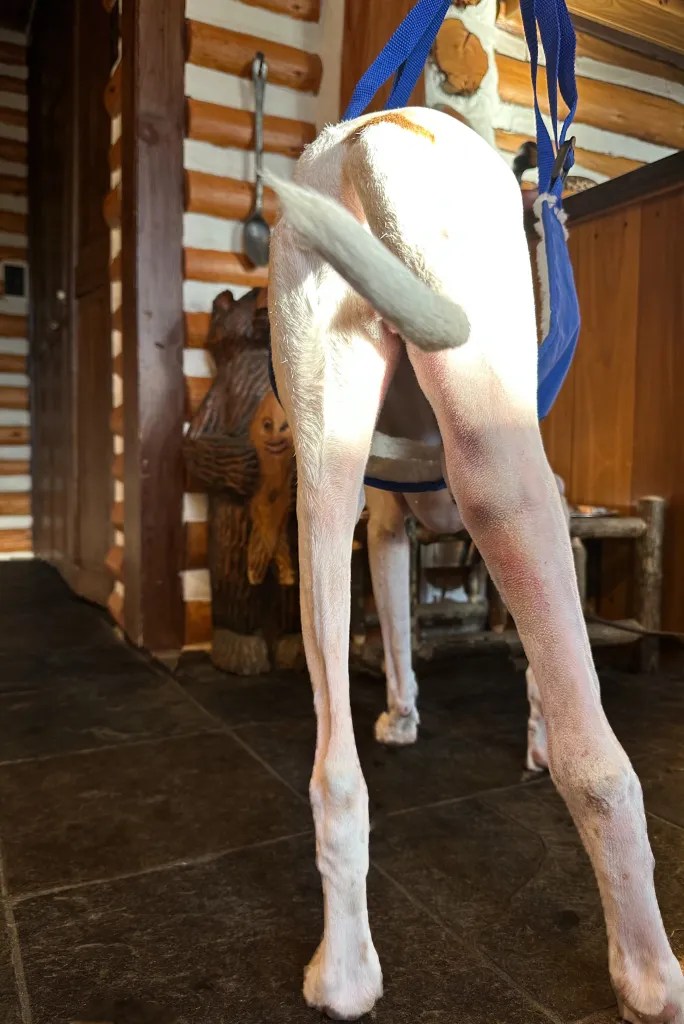


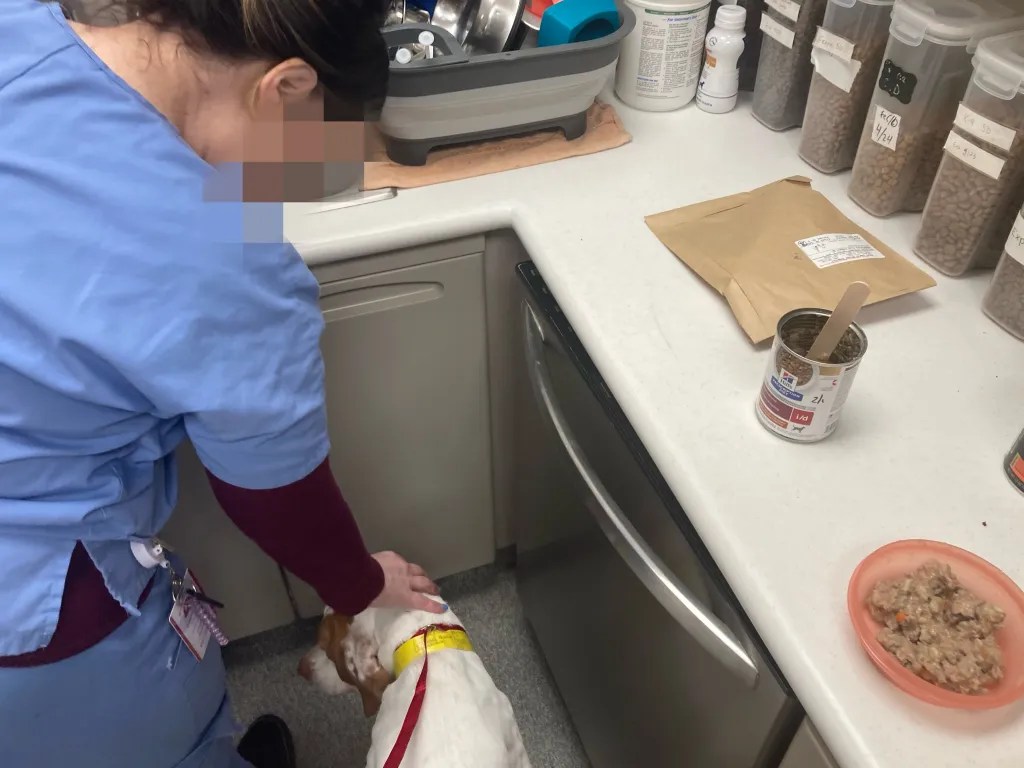


 at Croft Farm for a hike followed by a picnic lunch.